Some links on this page may be affiliate links
Why we still need year-end reviews in photography and art
The end of the year is one of the few moments when visual culture briefly slows down. Annual summaries begin to circulate — year-end reviews of photography books, selections of exhibitions, images that seemed to endure beyond the daily flow. In a system driven by constant updates and visibility metrics, these reviews function as a pause. They do not simply close the year; they allow us to see it as a whole.
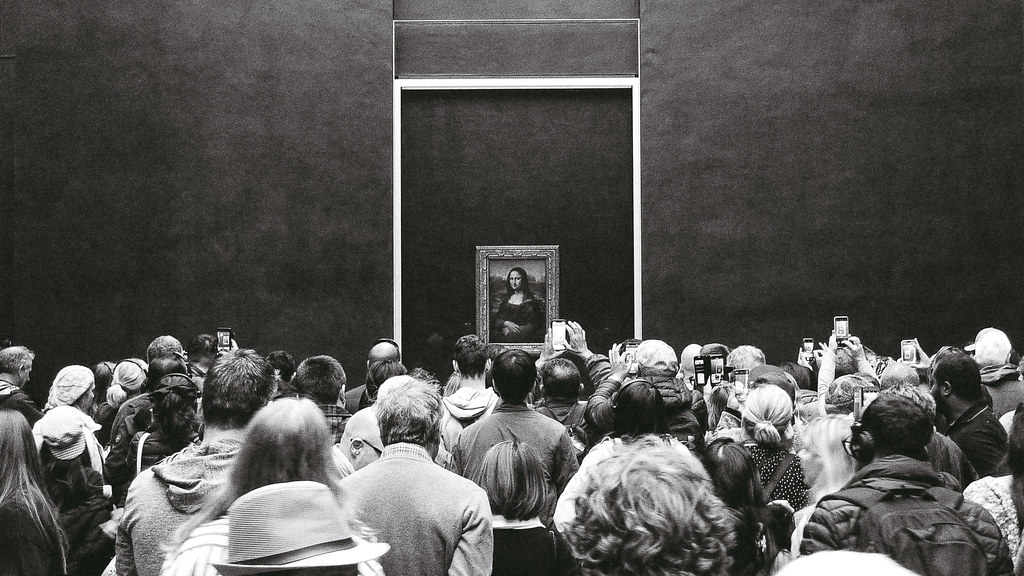
Source: Mariusz Nawrocki "Mona Lisa Louvre" Original file:
Photography in a mode of selection and attention
In photography, year-end reviews operate as filters of attention. They are not objective maps, but deliberate perspectives. They separate what was intensely present in circulation from what resonated longer than a single season. Editorial and curatorial selections rarely align with the popularity of images in social media feeds, and this tension is often productive. It exposes the difference between visibility and meaning.
In many cases, annual photography reviews restore weight to long-term projects, photography books, and exhibitions that required time, editing, and sustained focus — practices that resist the tempo of constant publication.
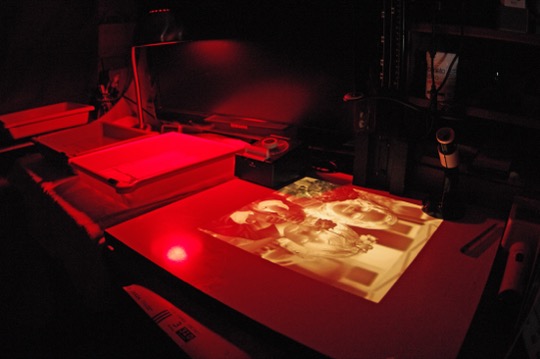
Source: Wikimedia Commons. Dark Room Original file:

Art between event, excess, and duration
In contemporary art, year-end reviews play a slightly different but equally important role. They organise excess. Biennials, festivals, group shows, and solo exhibitions overlap throughout the year, often without a clear hierarchy. Reviews therefore do not attempt to declare what was “the best.” Instead, they trace lines of tension — recurring themes, aesthetics that gained relevance, and artistic gestures that resonated across different contexts.
This approach is visible in annual art and photography reviews published by institutions and media such as The Guardian — Art & Photography and Tate, where the emphasis lies on interpretation rather than ranking.
Review as editorial responsibility
In an age increasingly shaped by algorithmic selection, year-end reviews also become acts of editorial responsibility. Someone assumes the burden of choice. The risk of omission. The need for justification. A well-prepared annual review does not close discussion; it reopens it. It allows overlooked images, exhibitions, and books to return into view after the rush of daily releases.
For many readers, photography year-in-review articles function as points of orientation — signals pointing toward artists, practices, and works worth deeper attention.
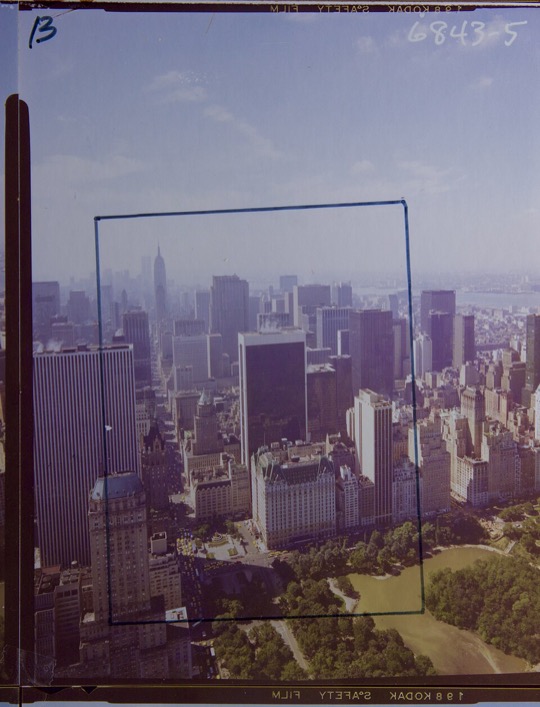
Source: Wikimedia Commons. Contact Sheet of 9 West 57th Street, 1970s Original file:

Silence after the image
Notably, reviews in photography and contemporary art increasingly replace spectacle with restraint. Fewer “top 10” lists, more context. Less sensation, more reflection. This shift reflects fatigue with image overload and a parallel attempt to recover a calmer relationship with images.
Perhaps this is precisely why year-end reviews still matter — as moments of pause rather than forced conclusions. They are not final verdicts, but proposals for looking. Reminders that visual culture requires not only production, but also memory and selection. Photography and art, seen from the perspective of an entire year, begin to speak in a different register — quieter, more balanced, and often more visible because of it.
-
The Best Art and Photography of 2025 — The Guardian — an annual overview of key exhibitions, works, and visual moments, curated by critics from one of the most influential cultural media outlets.
-
Photographic Publication of the Year 2025 – Fotofestiwal Łódź — a prestigious competition and exhibition highlighting outstanding photography publications that combine visual narrative with book design.
-
Review of the Year 2025: Top 25 Photography — It’s Nice That — a selection of 25 significant photography projects from the perspective of contemporary visual practice.
-
Best Photography Books of the Year 2025 — Aperture — an annual editorial selection approaching the photobook as a medium of narrative and visual memory.
-
The Photographers’ Selection: 2025 — Magnum Photos — a year-end selection of photographs and projects chosen by Magnum photographers from the perspective of documentary and long-term practice.
Further reading
If you are interested in photography and art year-end reviews, as well as publications gathering the most significant developments of the year, it is worth exploring selected books and albums available on Amazon — for example within the category best photography books of the year. Thank you for reading.