Some links on this site may be affiliate links
Koudelka’s Journey: From Prague to Magnum
Josef Koudelka, a Czech-born photographer, is one of the most influential figures in documentary photography, known for his intense black-and-white images that capture the rawness of the human experience. Born in 1938, Koudelka’s work spans decades and continents, as he documented social upheavals, nomadic cultures, and the effects of industrialisation on landscapes and communities. Koudelka’s ability to convey the beauty, hardship, and complexity of life through his lens has left a profound impact on the art of photography. Among his many projects, the album "Piedmont" offers a unique insight into his photographic style and thematic concerns.
The Prague Spring of 1968
Koudelka’s career gained international recognition during the Prague Spring of 1968 when he documented the Soviet invasion of Czechoslovakia. These powerful images were smuggled out of the country and published anonymously to protect his identity. The work earned him the prestigious Robert Capa Gold Medal, and this event marked the beginning of his association with Magnum Photos, the legendary photo agency.
Following his exile from Czechoslovakia, Koudelka traveled across Europe, focusing on themes of displacement, alienation, and the remnants of traditional cultures. His work with Roma communities in Eastern Europe resulted in Gipsies (1975), one of his most celebrated projects, in which he portrayed the dignity and endurance of marginalised groups. His thematic focus often revolves around the human condition, particularly the interaction between individuals and their environments.
The Study of Contrast and Movement
Koudelka’s photography is defined by its striking compositions, often featuring high contrast black-and-white images that emphasise light, shadow, and texture. His work is both poetic and documentary, blending artistic expression with a strong narrative sensibility. Koudelka is known for wide-angle lenses that allow for expansive, cinematic shots, as well as his ability to capture fleeting moments that feel both intimate and monumental.
He frequently works in long-term projects, allowing him to delve deeply into his subject matter. His images often exude a sense of timelessness, capturing both the uniqueness of a moment and its universality. This ability to combine the particular with the universal is a hallmark of Koudelka’s style.
Reflection on Place and Time
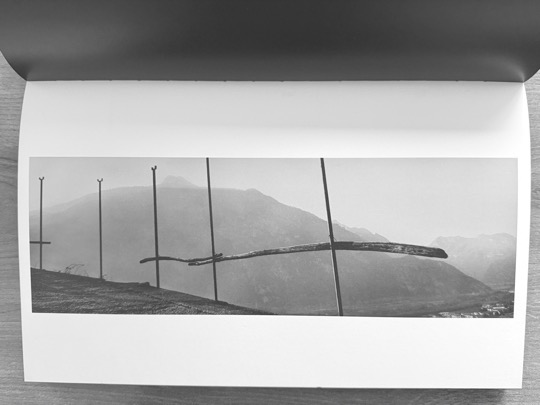
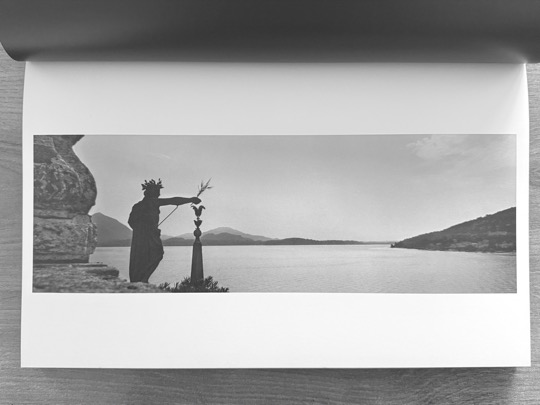
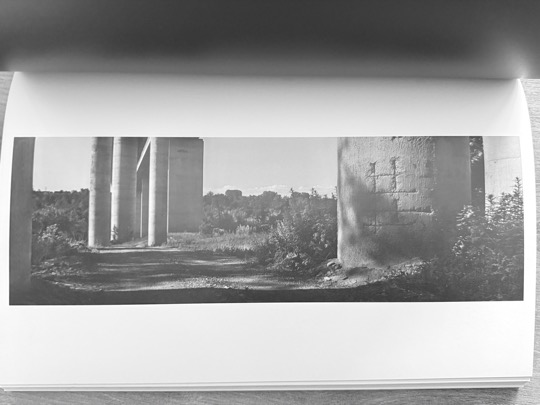
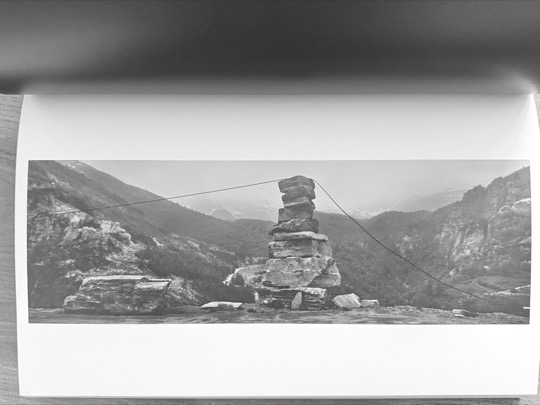
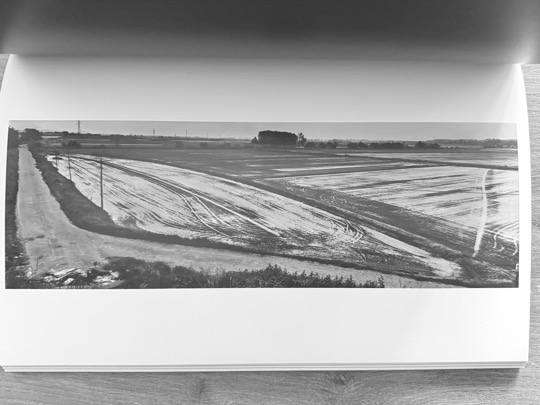
Piedmont, one of Koudelka’s most evocative works, provides a detailed study of a region in Northern Italy. Released in 1999, this project moves away from Koudelka’s earlier focus on human subjects and instead turns its gaze toward the landscapes shaped by human intervention. The album is a collection of panoramic black-and-white photographs that explore the changing relationship between people and the land. The images are sparse, often featuring industrial structures, crumbling walls, and vast fields, all imbued with a sense of desolation and beauty.
In "Piedmont", Koudelka’s signature use of light and shadow is on full display. The stark contrasts between the sunlit fields and the deep shadows of the buildings evoke a sense of decay and resilience. The compositions are carefully balanced, with strong horizontal lines created by the landscape and architecture that guide the viewer’s eye through the photograph. Koudelka’s use of wide-angle shots enhances the feeling of vastness and isolation, making the viewer feel as though they are standing alone in these landscapes, confronted by the passage of time and the marks left by human presence.
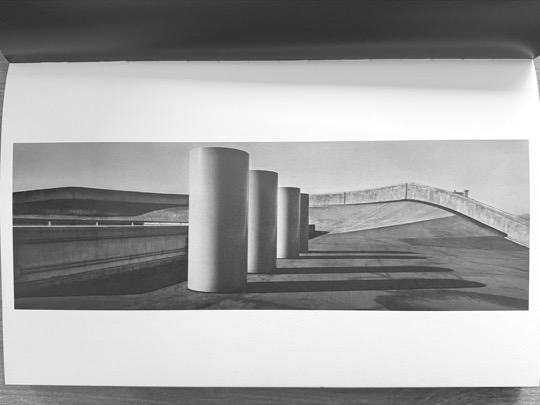
What makes "Piedmont" particularly powerful is its meditation on time. The region’s historical and cultural significance is ever-present in the photographs, but so too is the encroachment of modernity and industry. Factories, power lines, and old stone houses sit side by side, creating a visual dialogue between past and present, tradition and progress. Koudelka captures this tension with an unflinching eye, revealing the impact of industrialisation on rural landscapes while preserving the quiet beauty of these spaces.
Human Impact on the Environment
In "Piedmont", Koudelka’s long-standing concern with displacement and the human condition is subtly woven into the images. Although there are few human figures in this series, their presence is felt through the landscapes they have shaped and, at times, abandoned. The contrast between the natural world and the industrial structures speaks to Koudelka’s broader interest in the consequences of human intervention on the environment. This theme would later be explored more explicitly in his "Chaos" and "Wall" series, which examine the scars left on landscapes by war, industrialisation, and environmental degradation.
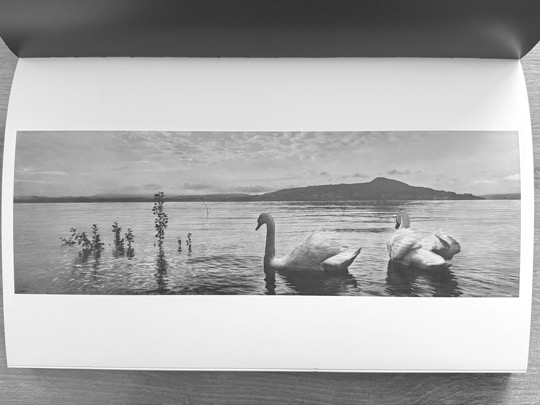
In "Piedmont", Koudelka invites viewers to contemplate the ways in which humans inhabit and alter their environments. The photographs are not just depictions of a place; they are meditations on the passage of time and the inevitable changes that come with progress. The stillness of the images, combined with the sense of decay, creates a powerful reflection on the fragility of both the landscape and human endeavours.
Josef Koudelka’s work is characterized by its depth, intensity, and sensitivity to the human condition. Whether capturing the plight of displaced communities or the transformation of landscapes, Koudelka’s photography speaks to the universal themes of displacement, resilience, and the passage of time. "Piedmont" stands out as a reflective piece within his body of work, a meditation on the intersection of nature, human activity, and the traces left behind.

Koudelka’s ability to convey both the beauty and desolation of the world around him has made him one of the most influential photographers of his generation. His work continues to inspire photographers and artists who seek to explore the complex relationship between humans and their environments.
Further reading
You can find more publications related to Josef Koudelka work on (Amazon). Thank you for visiting!