Some links on this site may be affiliate links
Bruno Barbey. The Foreign Gaze.
The colour of absence
In one of Bruno Barbey's photographs, a farmer ploughs a field. In the background, the chimneys of Nowa Huta rise above the flat landscape. The juxtaposition is almost too readable - pre-modern labour against the industrial giant built as a symbol of a new order. And yet the image does not accuse. It does not compare. It simply is.
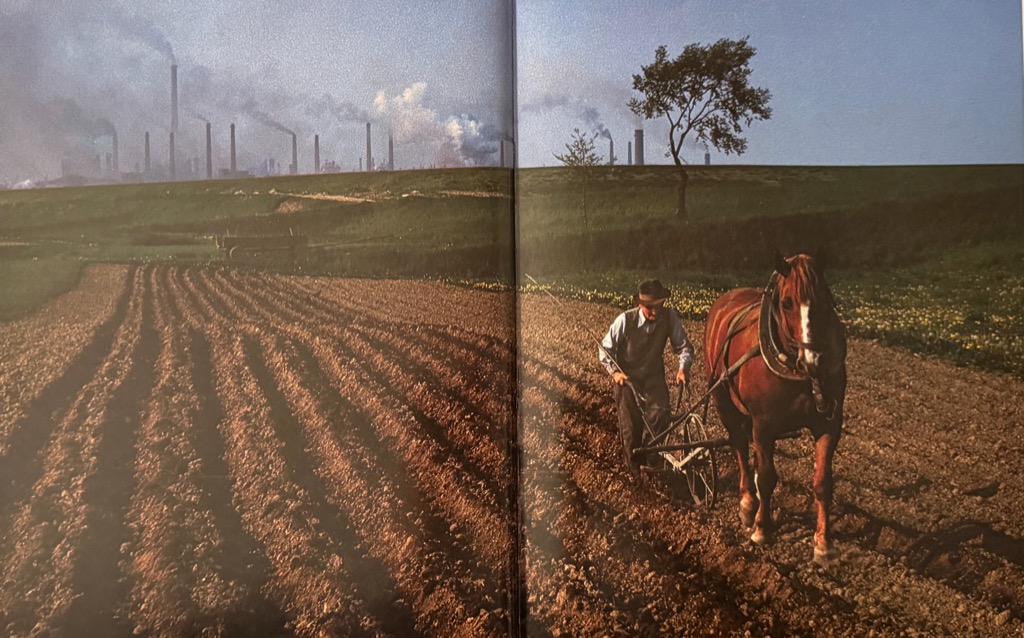
Bruno Barbey, Portrait of Poland (1982). Own photography for the purpose of this article.
What strikes me about Barbey's photographs of 1970s Poland is not their subject matter. We know those stories from history books and family albums. What strikes me is absence. The absence of saturated colour. The absence of dramatic light. The absence of a clear editorial position. Barbey photographs Poland as if colour itself had been rationed - greys, earthy browns, muted blues. The palette is not a stylistic choice. It is a record of material reality: fabrics that faded after a few washes, paints that were unavailable, lights switched off at dusk.
Bruno Barbey was not Polish. Born in Morocco, raised in France, he belonged to Magnum Photos - an agency that sent photographers into the world with a mandate to look. He came to Poland in the mid-1970s and did something that perhaps Polish photographers could not do: he looked without the weight of internal participation.
The privilege of the outsider
I wonder whether an objective gaze from the outside exists. Probably not, or it is not that simple. But there is certainly a gaze free of everyday fatigue. Barbey saw a Poland that Poles may have stopped noticing - queues, grey streets, muted routines. Not as symbols of oppression, but as landscape. The geography of life.
This creates a tension that resists easy resolution. A Western photographer arrives and photographs a poor country. Is this exploitation? Documentation? Both? Barbey avoids the answer - and that is his greatest strength. He does not dwell on poverty. He does not seek exoticism in greyness. He simply photographs people waiting in lines, praying in Kalwaria Zebrzydowska, playing chess in Cracow.
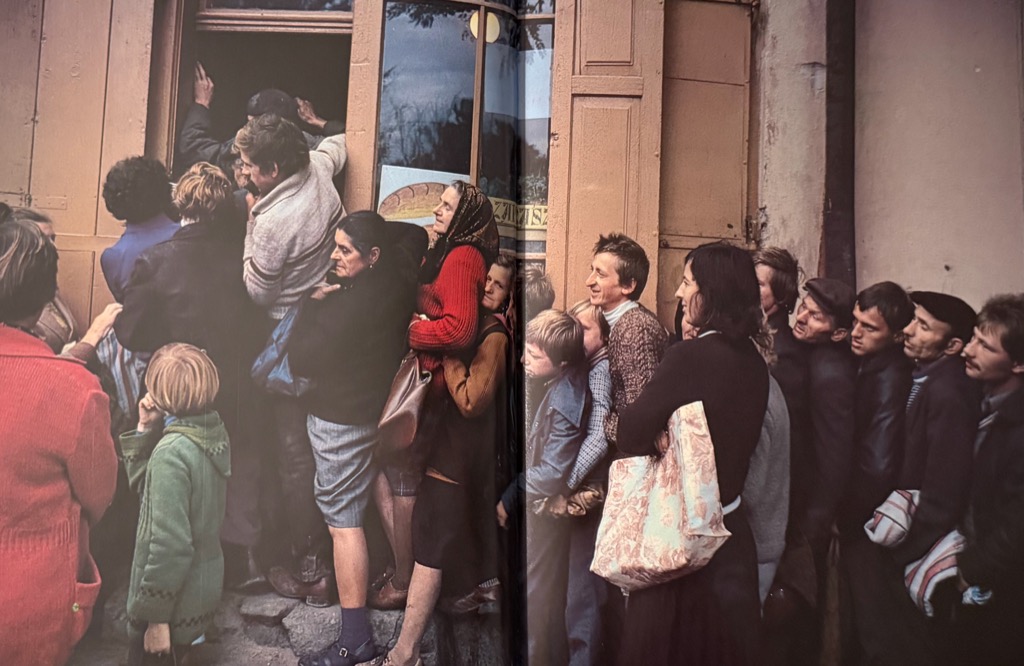
Bruno Barbey, Portrait of Poland (1982). Own photography for the purpose of this article.
There is something in these images that is hard to identify. A kind of presence without intervention. Barbey does not try to improve reality, does not search for beauty where it is absent, but neither does he recoil from what he sees. His photographs are free of pity and free of contempt. This is rare. And perhaps it is only possible because he was a foreigner.
A portrait of suspended time
Portrait of Poland is certainly not a project about politics. It is a project about time. About a moment when history slows down and people continue living - working, praying, raising children, playing chess. Barbey captured a Poland that was waiting. It did not yet know for what. But it waited patiently.
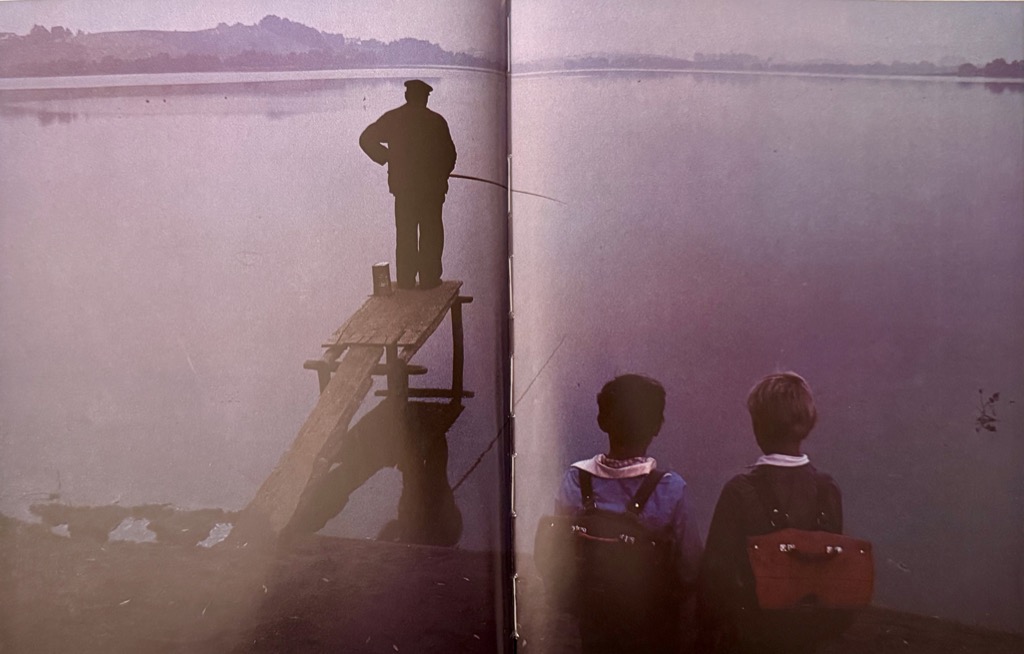
Bruno Barbey, Portrait of Poland (1982). Own photography for the purpose of this article.
Looking at these photographs today, what strikes me is not the contrast with modern Poland - that would be too obvious. What strikes me is continuity. The same people, the same gestures, the same needs. The country has changed, but the faces remain. Perhaps Barbey, by photographing the greyness of the 1970s, did something more than document. He built a bridge between what was and what is.
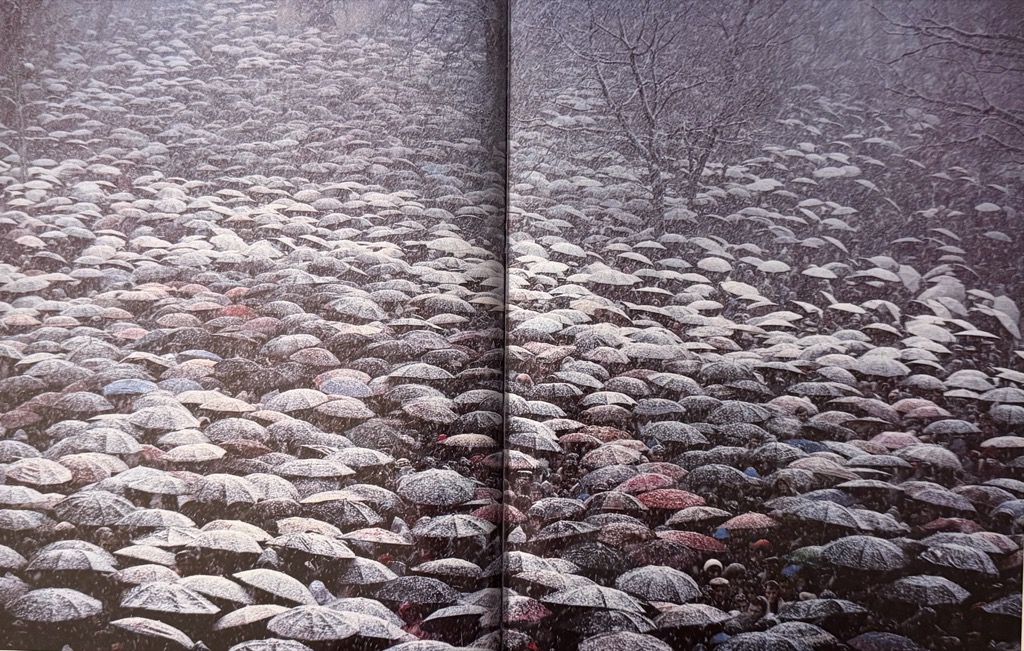
Bruno Barbey, Portrait of Poland (1982). Own photography for the purpose of this article.
Perhaps this is why Portrait of Poland remains so affecting - it resists a single narrative. It is not a nostalgic journey into the past. It is not an indictment of a system. It is simply a record of being. What we do with that record is up to us.
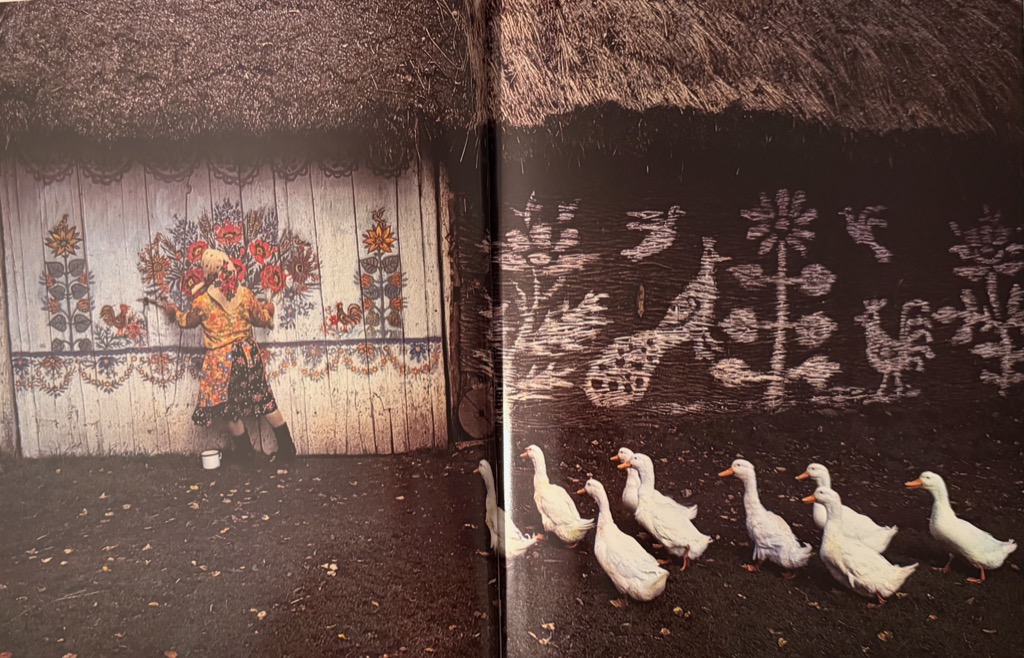
Bruno Barbey, Portrait of Poland (1982). Own photography for the purpose of this article.
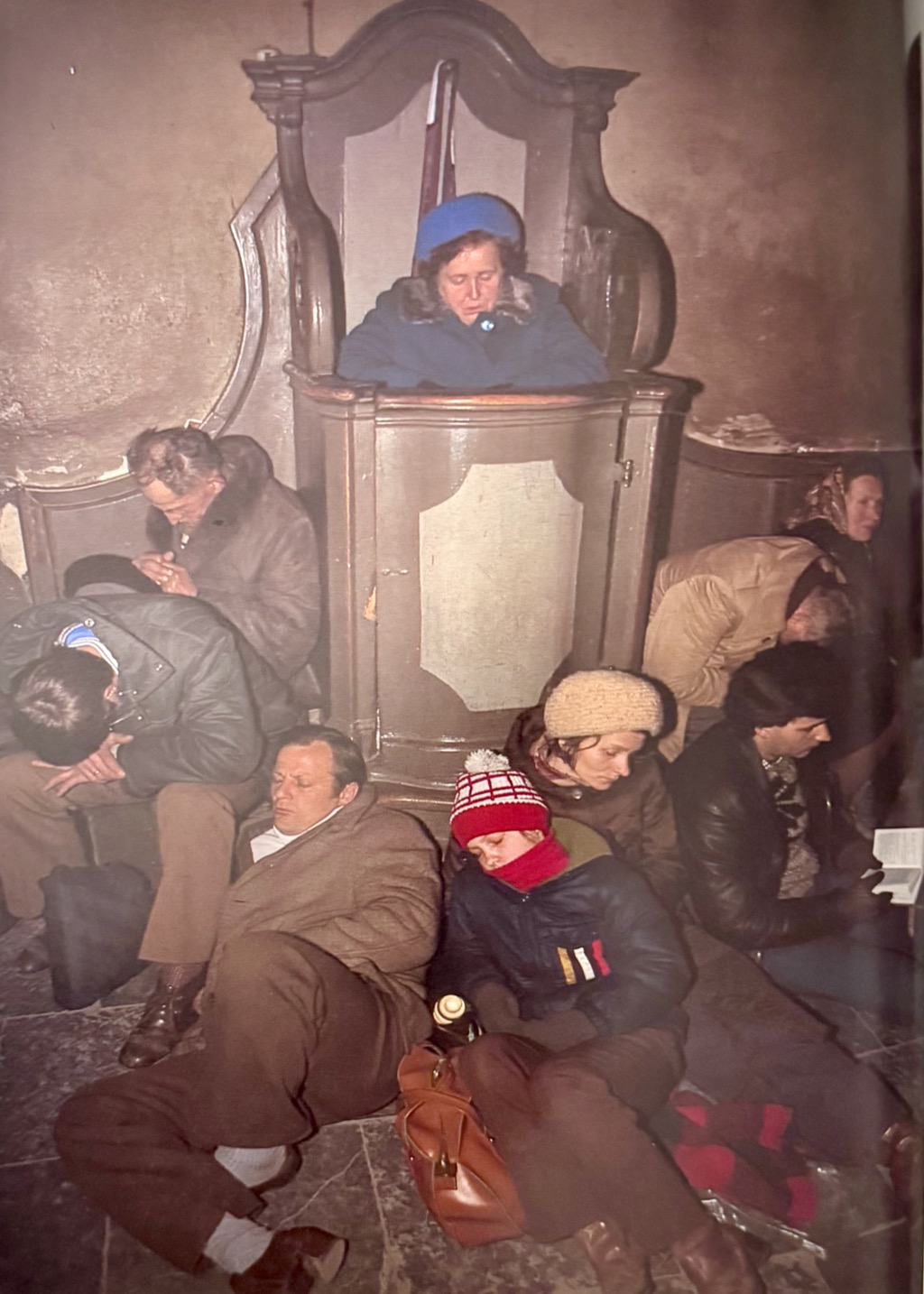
Bruno Barbey, Portrait of Poland (1982). Own photography for the purpose of this article.
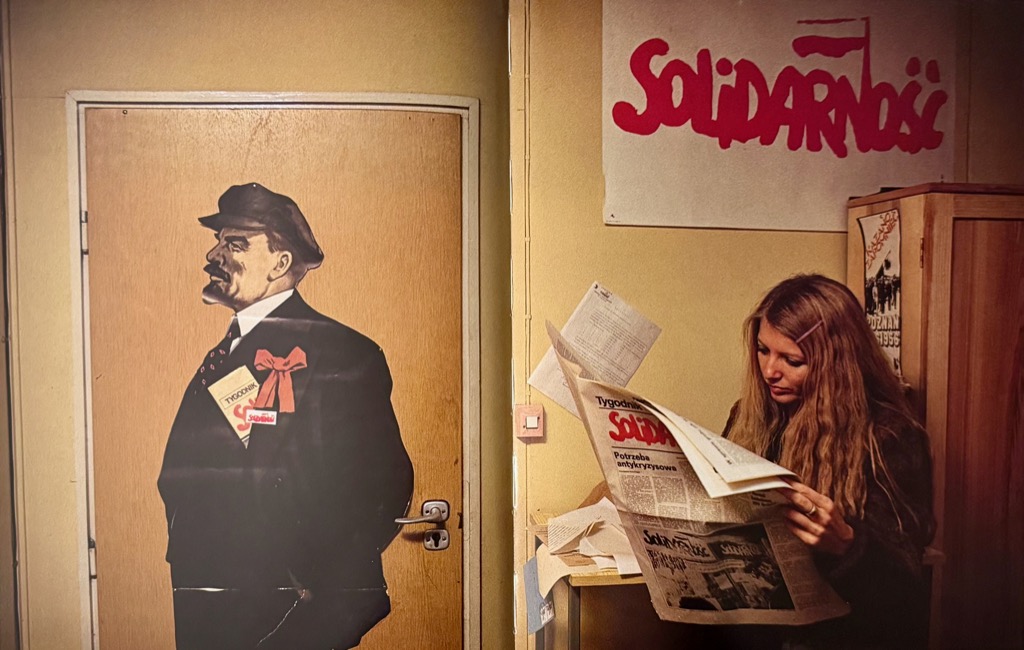
Bruno Barbey, Portrait of Poland (1982). Own photography for the purpose of this article.
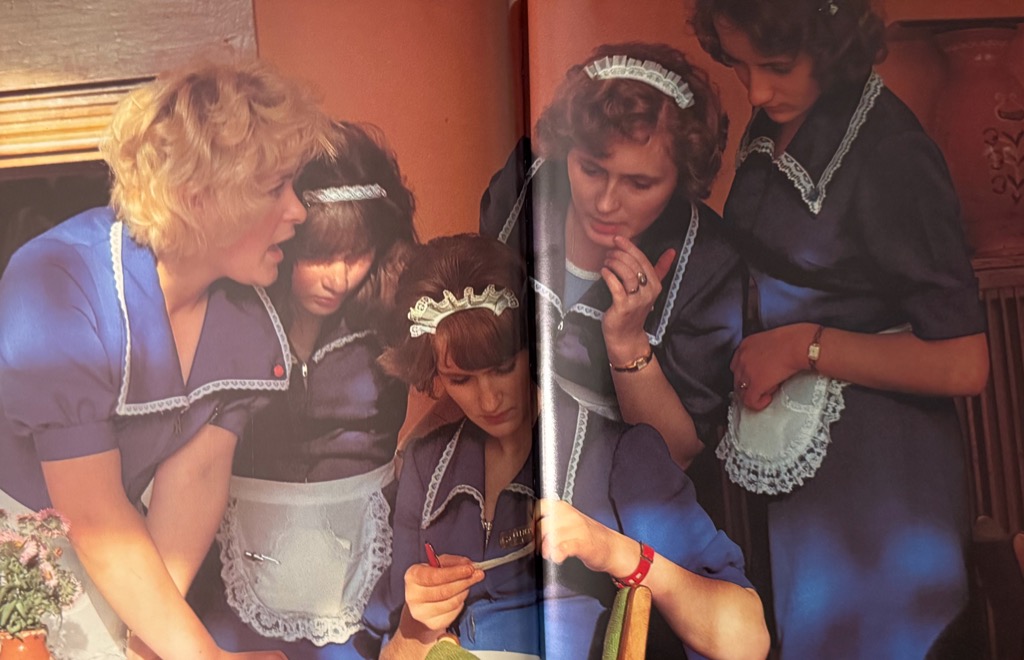
Bruno Barbey, Portrait of Poland (1982). Own photography for the purpose of this article.
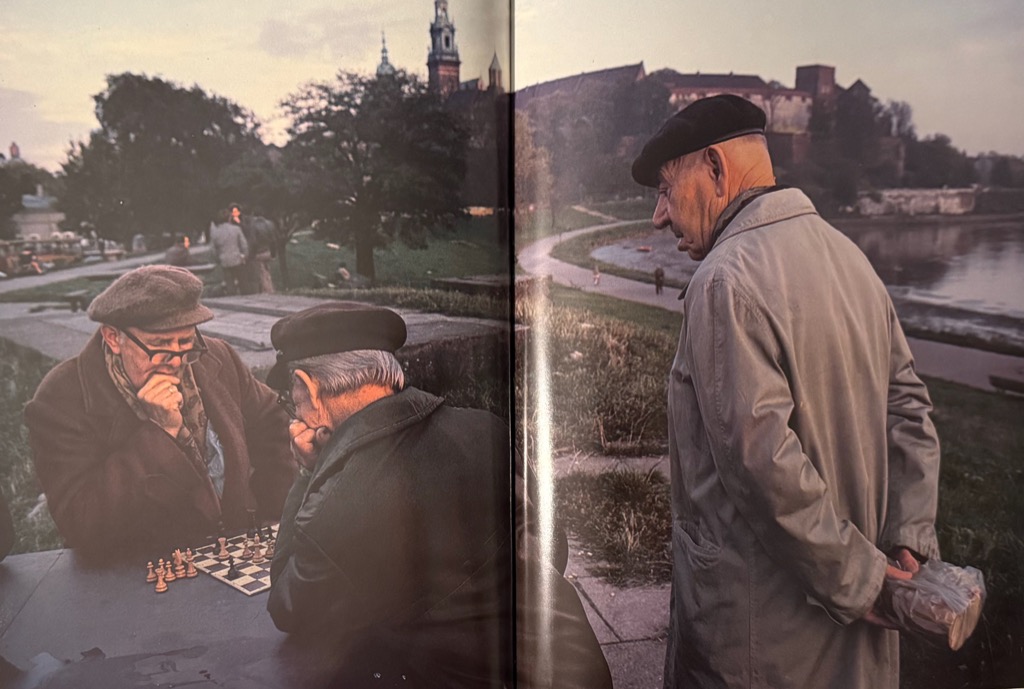
Bruno Barbey, Portrait of Poland (1982). Own photography for the purpose of this article.
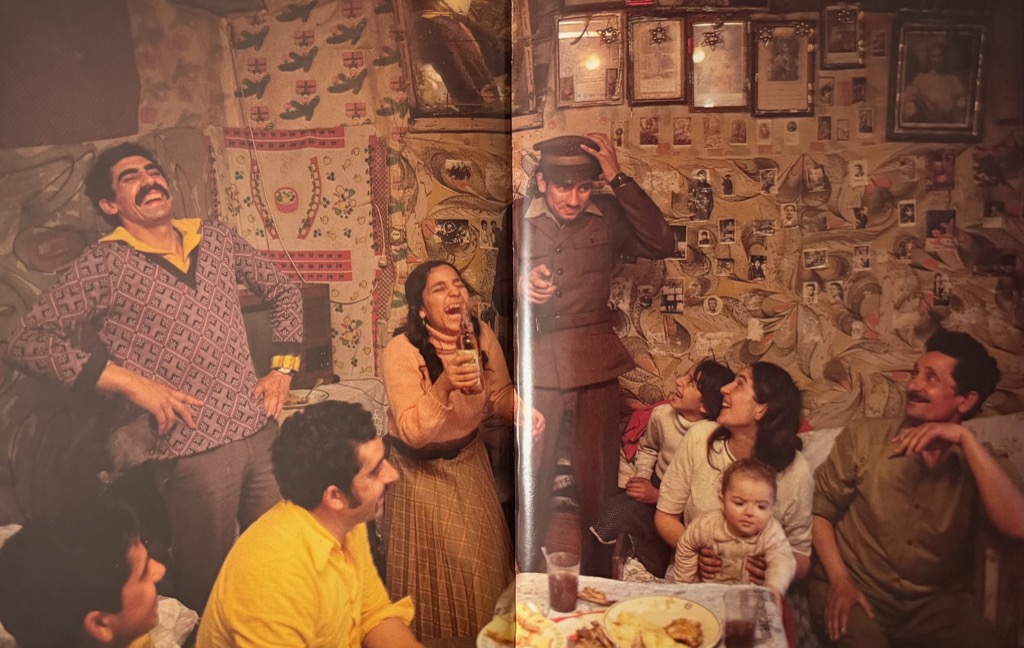
Bruno Barbey, Portrait of Poland (1982). Own photography for the purpose of this article.
Bruno Barbey died in 2020, but his photographs continue to ask the same question: is looking from the outside a privilege or a limitation? And can one ever photograph another person's life without imposing one's own gaze?
Perhaps not. But it is worth trying - with the same restraint with which Barbey photographed Polish fields, queues, and faces.
The photographs used in this article and the video below were produced for this text.
Further reading
More on Bruno Barbey's work: photography books on Amazon.
Co-created by human and AI.