Some links on this site may be affiliate links
Privacy in the Age of Images
At the Louvre, before the Mona Lisa, a crowd raises phones. They photograph the painting. They photograph themselves before the painting. They photograph others photographing. Nobody asks for permission - and it occurs to no one that they should. A museum is a space where looking is not only permitted but expected. You are here to be looked at. Like an exhibit.
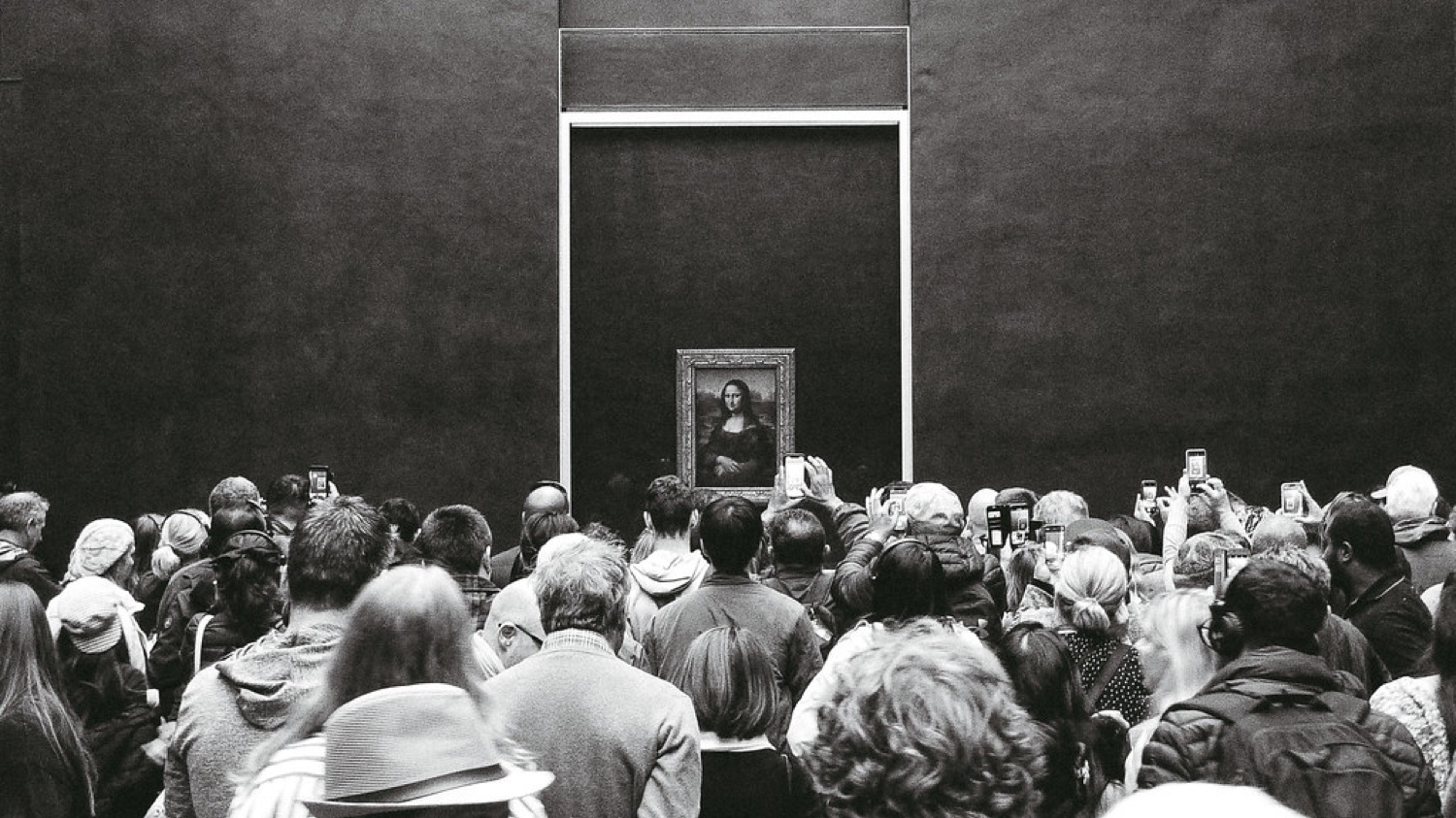
Meditation. Author: Mariusz Nawrocki, CC BY-ND 4.0. Source
The Decision
A street photographer stands on a beach in Phuket. Ahead of them: tourists. Eating ice cream, talking, staring at the horizon. They don't know they are being watched. The camera hangs from a strap. Not yet raised.
This is the moment that contains everything. The suspension between the gaze and the shutter release. The photographer sees a scene and makes a decision: press. They don't ask. They can't ask - because asking would destroy what they want to capture. The spontaneity. The truth of the moment. A reality that only exists when no one is posing.
Is this theft?
Legally - no. Public space is not private. But law is one thing, and experience is another. Someone took your face. Your figure. Your presence on that patch of beach, in that particular moment, when you thought you were anonymous. You cannot undo it. You cannot say "I don't want this." You don't even know it happened.
And yet - without this gesture, we would have no street photography. No Cartier-Bresson's Parisian streets, no Moriyama's Tokyo chaos, no Winogrand's American sidewalks. We would have no record of everyday life, which is perhaps the most precious document visual culture has ever produced. The paradox is unresolvable: the document is born from violation. The archive comes from appropriation.
The Collector
Vivian Maier was a nanny her entire life. No one knew she photographed. She left behind a hundred thousand negatives - most of which she never developed. Chicago streets, passersby, children, elderly people. Faces. Thousands of faces whose owners never learned they had been immortalized.
Her case is a limit case, and therefore the most instructive. Maier never published. She never profited from her images. She never built a career. She photographed out of an internal compulsion - as if looking through a viewfinder was the only way she knew how to be in the world. The camera was an extension of her gaze, not a tool for exhibition.
Does this make her practice less problematic? Or more? You could argue that Maier was purer than photographers who sell their images - she sought no gain. But you could also say the opposite: she took people's likenesses and gave nothing back. She didn't even offer them the chance to be seen. She kept them for herself. She collected faces the way others collect stamps.
There is something deeply unsettling and simultaneously deeply human in this story. The need to look at others - to note their existence, to arrest them in time - is not solely the domain of artists. It is an elementary impulse. Children stare at strangers on buses. Adults look away, because they learned how. Photographers never learned. Their camera grants them a permission the rest of us deny ourselves.
Nobody Is Looking
The contemporary street photographer lives in a world radically different from Cartier-Bresson's. Not because ethical norms have changed. Because the ecosystem of looking has changed. On every lamppost, a surveillance camera hangs. Every passerby carries a device that can film them. Every face on the internet is potentially recognized, catalogued, priced.
And here emerges a paradox that turns the entire discussion on its head. The surveillance camera on the street corner does not ask for permission. The algorithm on the server does not ask for permission. The facial recognition app does not ask for permission. No one protests, no one writes essays, no one organizes debates. But the photographer with a camera - is usually guilty.
Why?
Perhaps because street photography is intimate, and surveillance is anonymous. The photographer looks at you - specifically at you, at your face, at your gesture, at your story. The surveillance camera looks at no one. It records everything. It does not see. It does not interpret. It creates no meaning. Its gaze is empty - and that is precisely why it provokes no objection. No one feels violated when no one is looking.
But this empty gaze is far more dangerous. The photographer can harm you by publishing your image in the wrong context. The surveillance system can harm you by denying you credit, entry to a country, freedom. The scale is incomparable. And yet our attention rests on the former. Perhaps because we can confront the photographer - they are a person, standing on the street, we can walk up to them. You cannot have a conversation with a system.
This tension between intimacy and anonymity of the gaze is perhaps the most important thread in the entire discussion of image privacy. Street photography violates privacy precisely because it is human. Because someone is actually looking. In a world where most gazes are machinic, the human gaze becomes at once more precious - and more suspect.
The Face That Does Not Exist
There is a third element to this puzzle: artificial intelligence. Generative algorithms can create a portrait of a person who never existed. A photographer can now circumvent the privacy problem entirely: photograph no real person, just generate a face. Or remove a passerby from the frame. Or swap the background.
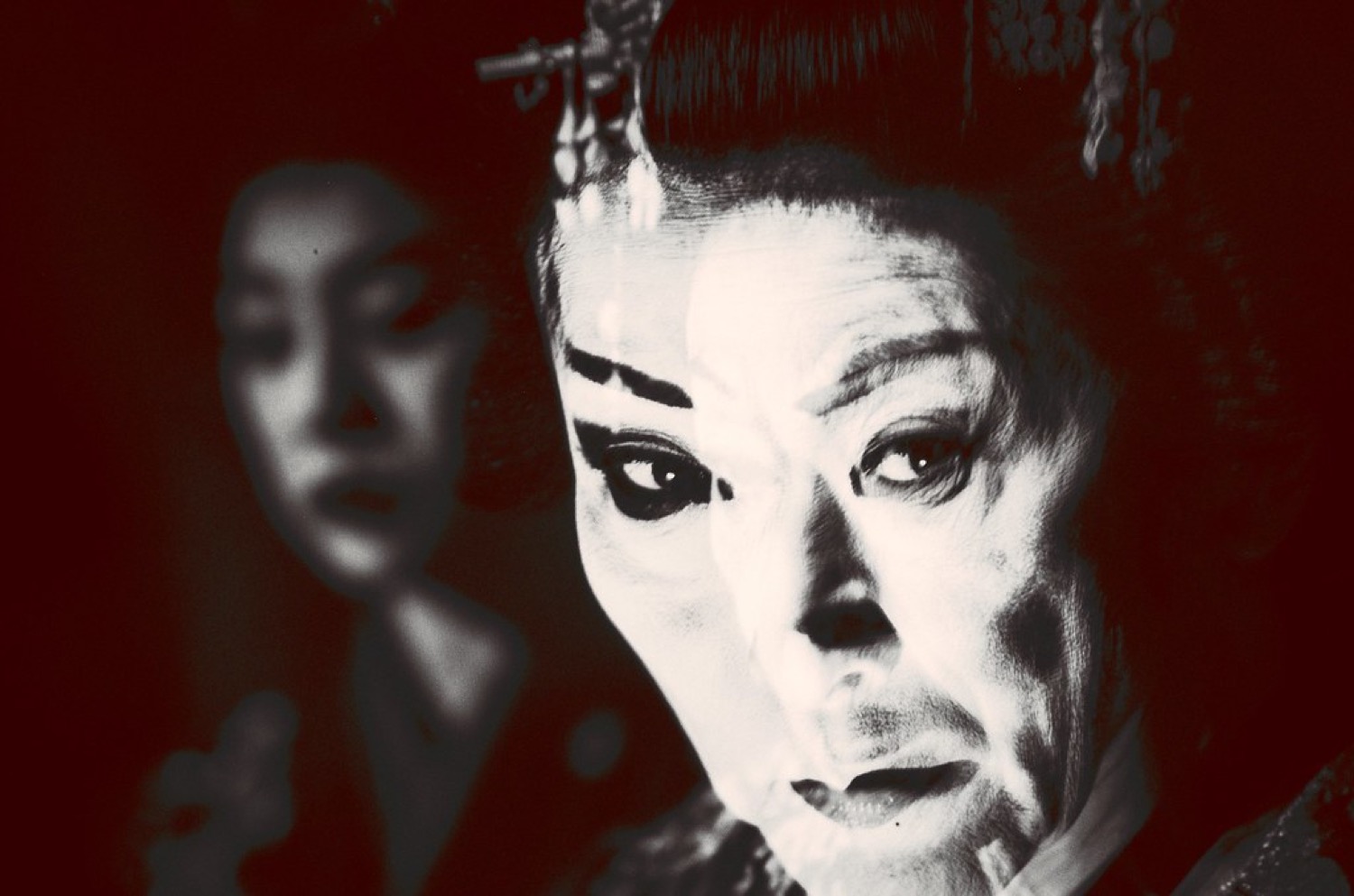
Theatre. Author: Mariusz Nawrocki, CC BY-ND 4.0. Created with AI and modification via Affinity Photo and Lightroom. Source
The temptation is obvious. Why wrestle with ethical dilemmas when you can solve them technically? Generated people have no privacy, so you cannot violate it. Generated faces have no rights, so you need not ask for consent. The problem disappears - but a new one emerges, deeper.
When you photograph a real person without asking, you take away their control over their own image. But you also confirm their existence. You say: you were there, in that moment, and I saw you. When you remove them from the frame and replace them with a generated figure - you erase them. You are not protecting their privacy. You are denying them reality.
This is the crux of the matter, which AI exposes with unexpected sharpness. Privacy is not only about controlling who sees you. It is also about being seen - truly, and not merely recorded. Street photography, despite all its ethical problems, at least does that: it looks. It sees. It confirms that you existed.
Most systems that violate our privacy do the opposite: they record us without seeing us. They treat our faces as data points. They do not care who we are. And this is perhaps the greatest cruelty of contemporary surveillance - not that it watches, but that it watches and does not see.
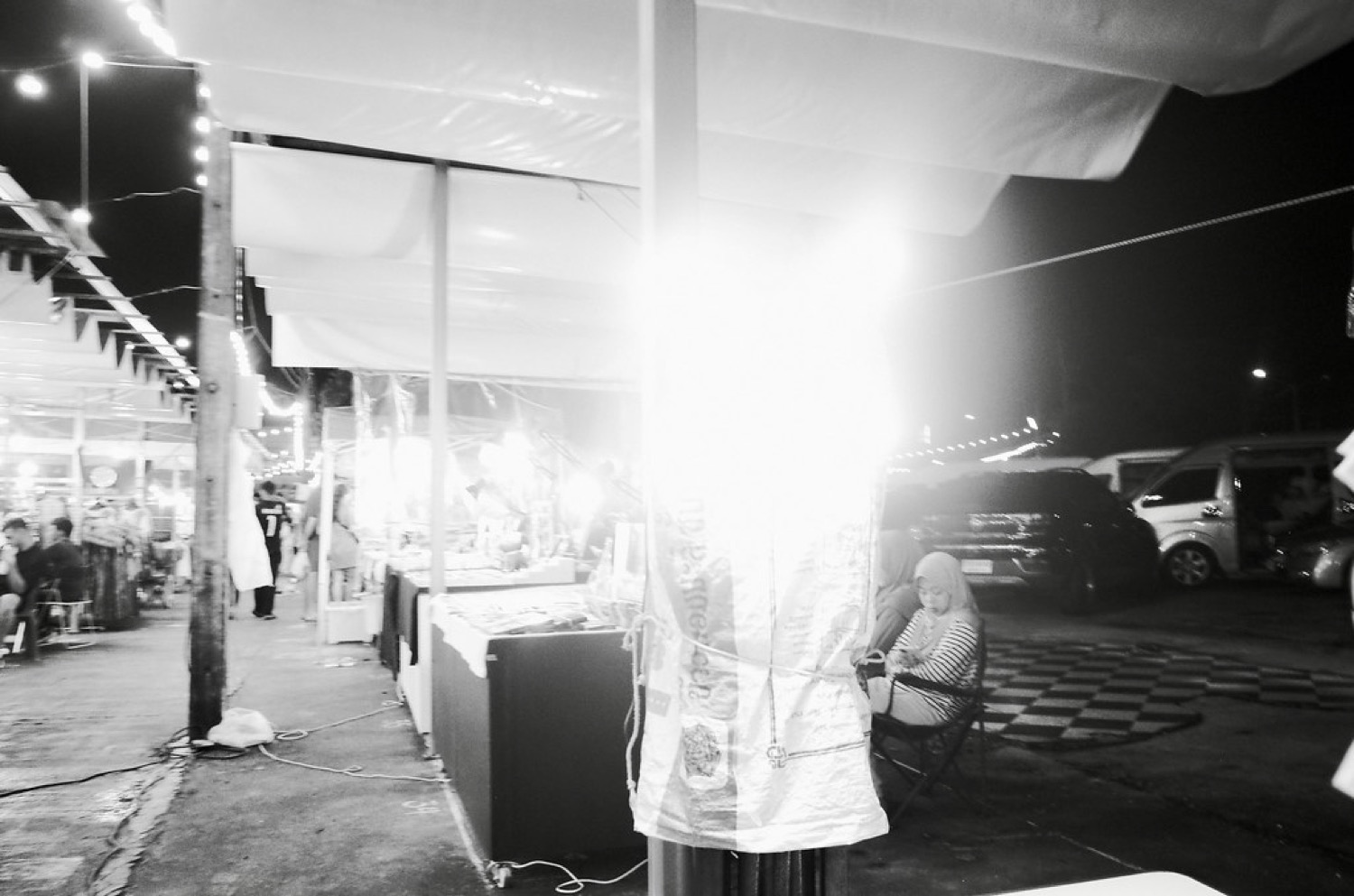
Phuket. Author: Mariusz Nawrocki, CC BY-ND 4.0. Source
What We Take, What We Give
I return to the beach in Phuket. The photographer raises the camera. Presses the shutter.
What actually happened? From the perspective of the photographed - nothing. They didn't find out. Their day continues. The ice cream tastes the same. The horizon is just as distant. But somewhere, on a memory card, their image now exists. A fragment of their existence has been copied, transferred, preserved. Without their consent. Without their knowledge.
The photographer took something from them that cannot be weighed: exclusivity over their own image. From this moment, that person exists in two places at once - on the beach, where they eat ice cream, and in the archive, where they are an element of someone else's narrative. This splitting is irreversible. And it is the core of every act of photographing without consent.
But the photographer also gave something. They gave attention. In a world where most of us feel transparent, being noticed - truly noticed - is rare. The photographer did not merely record a passerby. They saw them. They decided that person was worth the frame. That their presence in that moment mattered. That is no small thing.
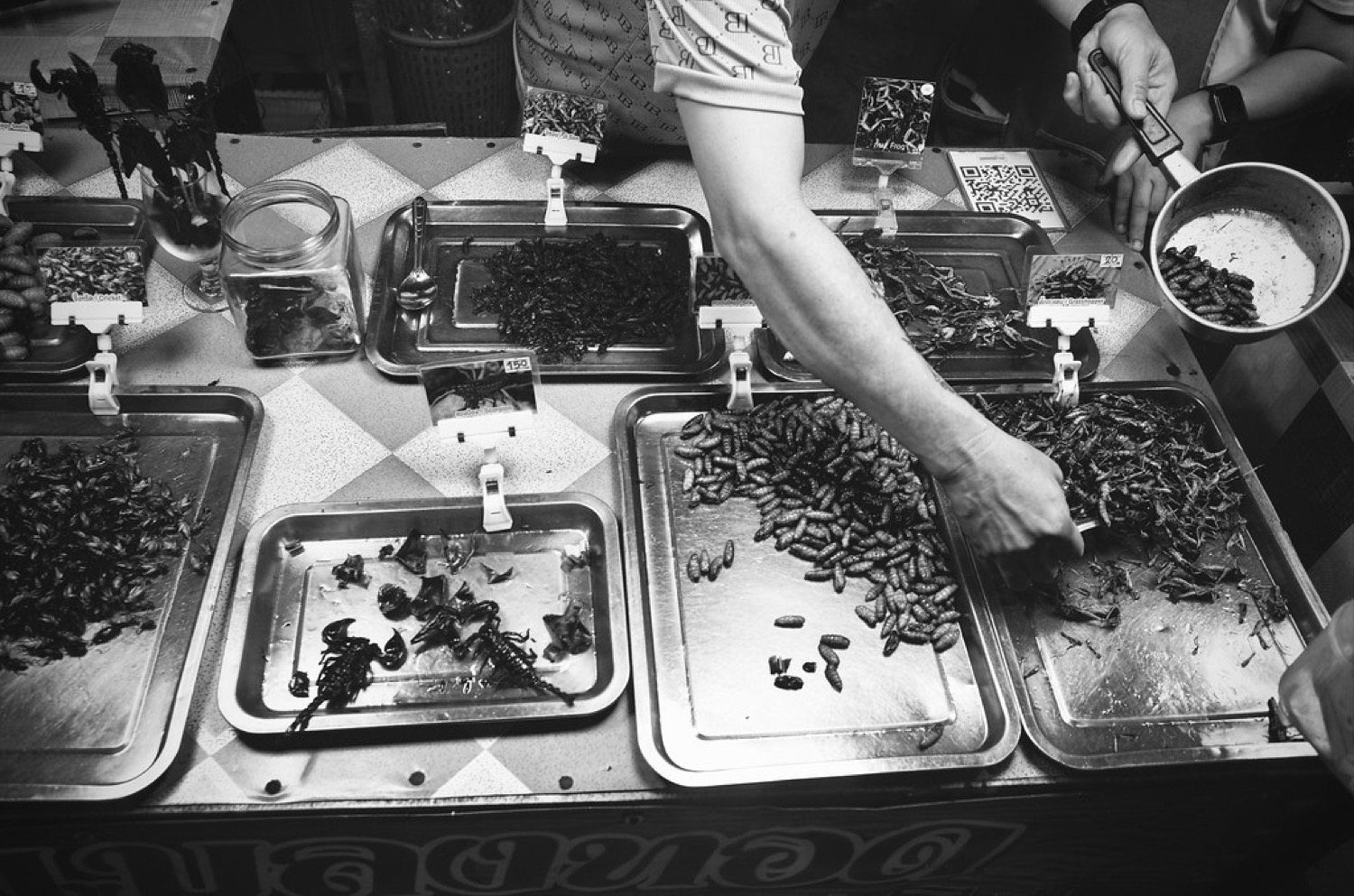
Phuket. Author: Mariusz Nawrocki, CC BY-ND 4.0. Source
And perhaps this is why the dilemma is unresolvable. Because the violation and the gift are the same gesture. You cannot give attention without taking control. You cannot truly see someone without crossing a boundary whose existence they do not even suspect.
Street photography is not a crime, and rarely is it a higher art. It is exactly what staring on the bus is - only with greater self-awareness and a willingness to bear the consequences. It is human. Imperfect. Always slightly wrong. And perhaps that is exactly why it is necessary.
Further Reading
- Vivian Maier - Official Archive
- GDPR and Photography - Legal Overview
- Garry Winogrand - SFMOMA Retrospective
- Surveillance Studies - Research Overview
Co-created by human and AI.