Some links on this site may be affiliate links.
Architecture of Silence
There is a Stephen Shore photograph that always holds me longer than others. It is neither the most famous nor the most spectacular. It is simply a street in Seattle in 1974, sloping downward - a concrete road with a yellow tongue of a lane line waving toward an airy public market sign. Nothing happens. Nobody enters, nobody leaves. Lonely cars stand parked, and a cheap neon sign holds the gaze, pacifying weak thoughts drifting toward the open space - an eternally unfulfilled hope of freedom.
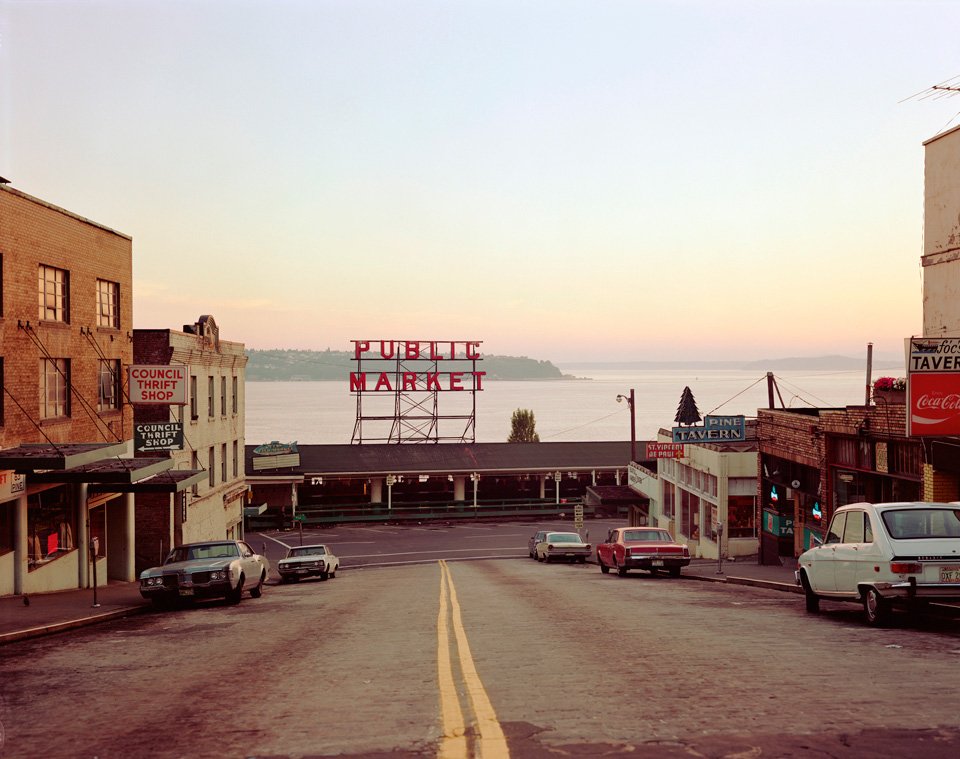
Pine Street, Seattle, 1974. Stephen Shore. The Independent Photographer
And this is the image - this complete absence of people, this air full of a peculiar longing - that made me realize this is the very motif I have been searching for in my own photography for years.
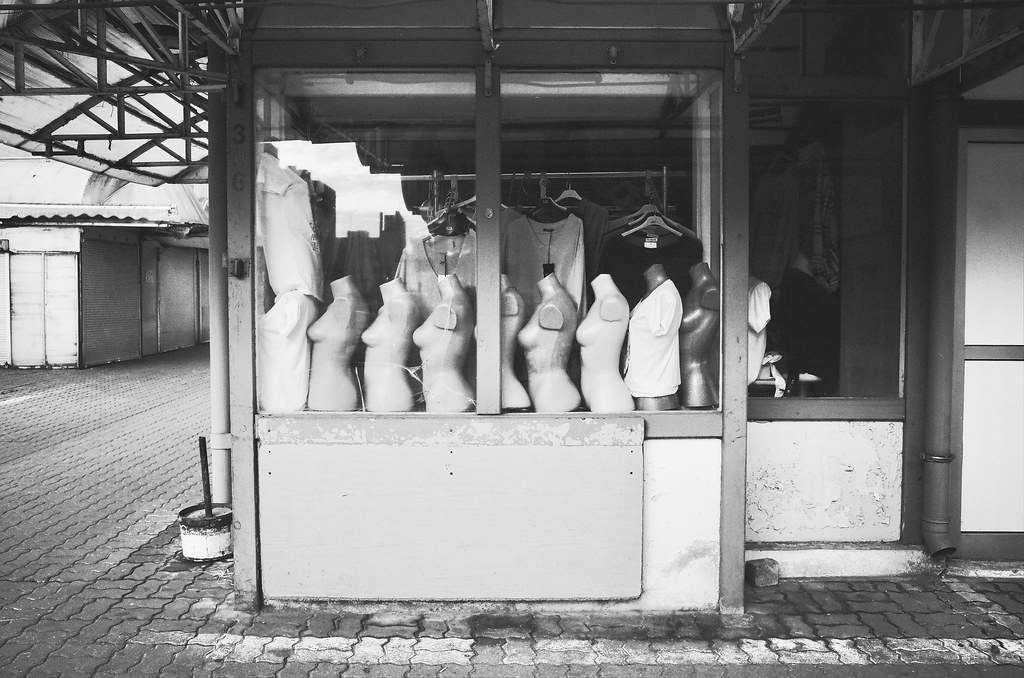
Where Are All The People. Author: Mariusz Nawrocki, CC BY-ND 4.0. Source

Shore photographed America in the 1970s in a way that resists the label "documentary." He traveled across the country, photographing hotels, parking lots, streets, storefronts, diners, yet there is something more attentive in these images than inventory. More patient. Shore did not search for a decisive moment - he was interested in the space between moments.
Landscape after the event
Shore's early work - the American Surfaces series - surprises with its ordinariness. He used a 35mm camera and photographed what he saw: a plate of food at a roadside diner, a TV set in a motel room, an empty corridor. Then he switched to an 8x10 inch large-format camera. And something shifted.
Large format demands time. You cannot shoot quickly. You set up the tripod, focus, insert the film holder, pull the slide, wait. This ceremonial process lent Shore's images a strange, understated gravity. Every frame carries something of a ritual.
I suspect what Shore does in Uncommon Places is less about photographing America than about photographing time that has passed. His images speak of what has ended. About a driveway from which someone has driven away. About a parking lot that is empty.
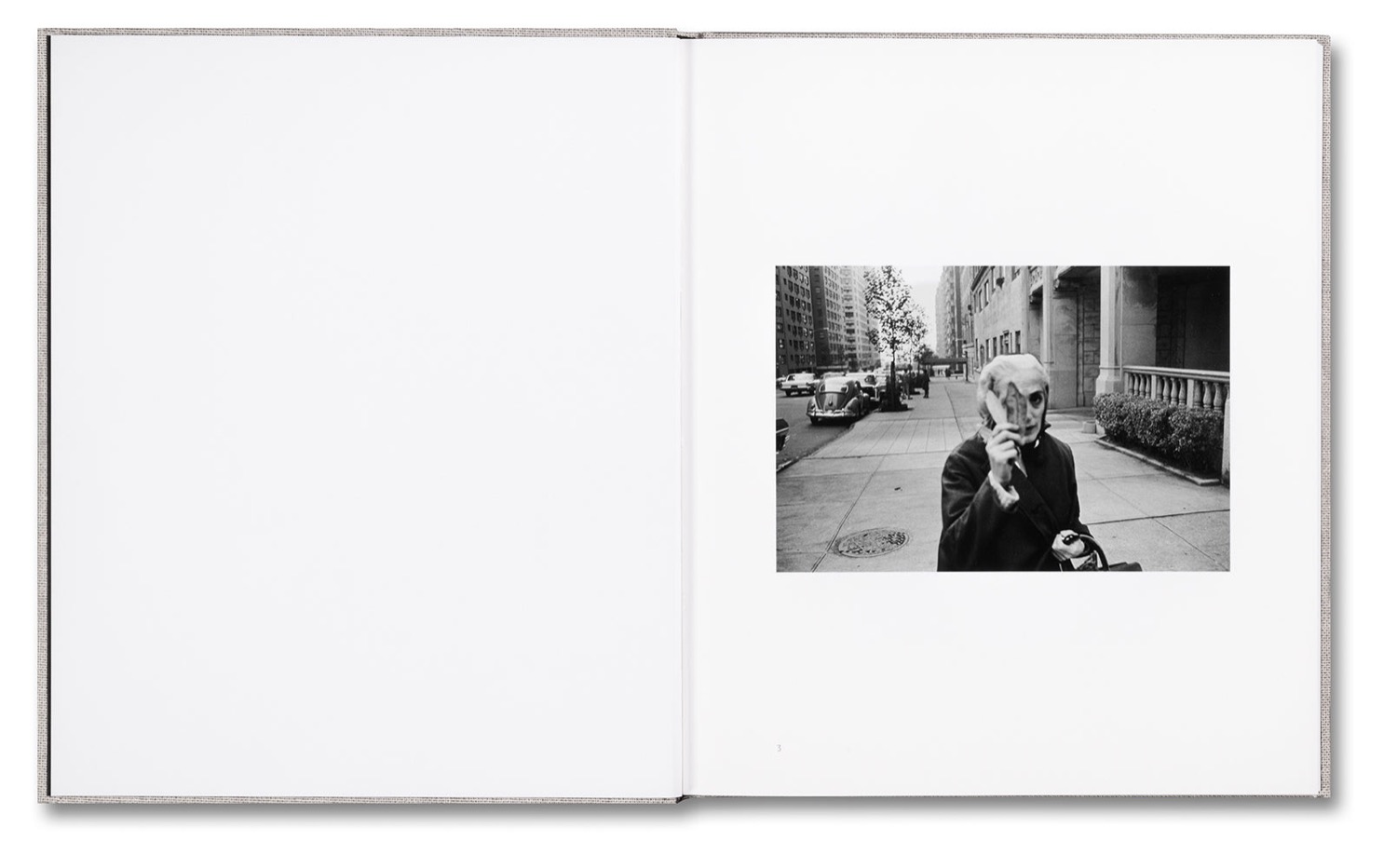
Stephen Shore, Early Work. Promotional material: MACK Books
Silence is not absence
When we talk about silence in photography, we tend to think of absence. But silence in an image is different from emptiness, because silence always contains something, often it is full of the unspoken.
When I look at Shore's photographs of human artifacts, abandoned structures, dusty roadside signs, an empty record store in Amarillo, I do not think "nobody is here." I think "everyone has gone somewhere." A subtle difference. Presence can be felt even in its absence. The photography of silence does not document lack - it documents what remains after presence has passed.
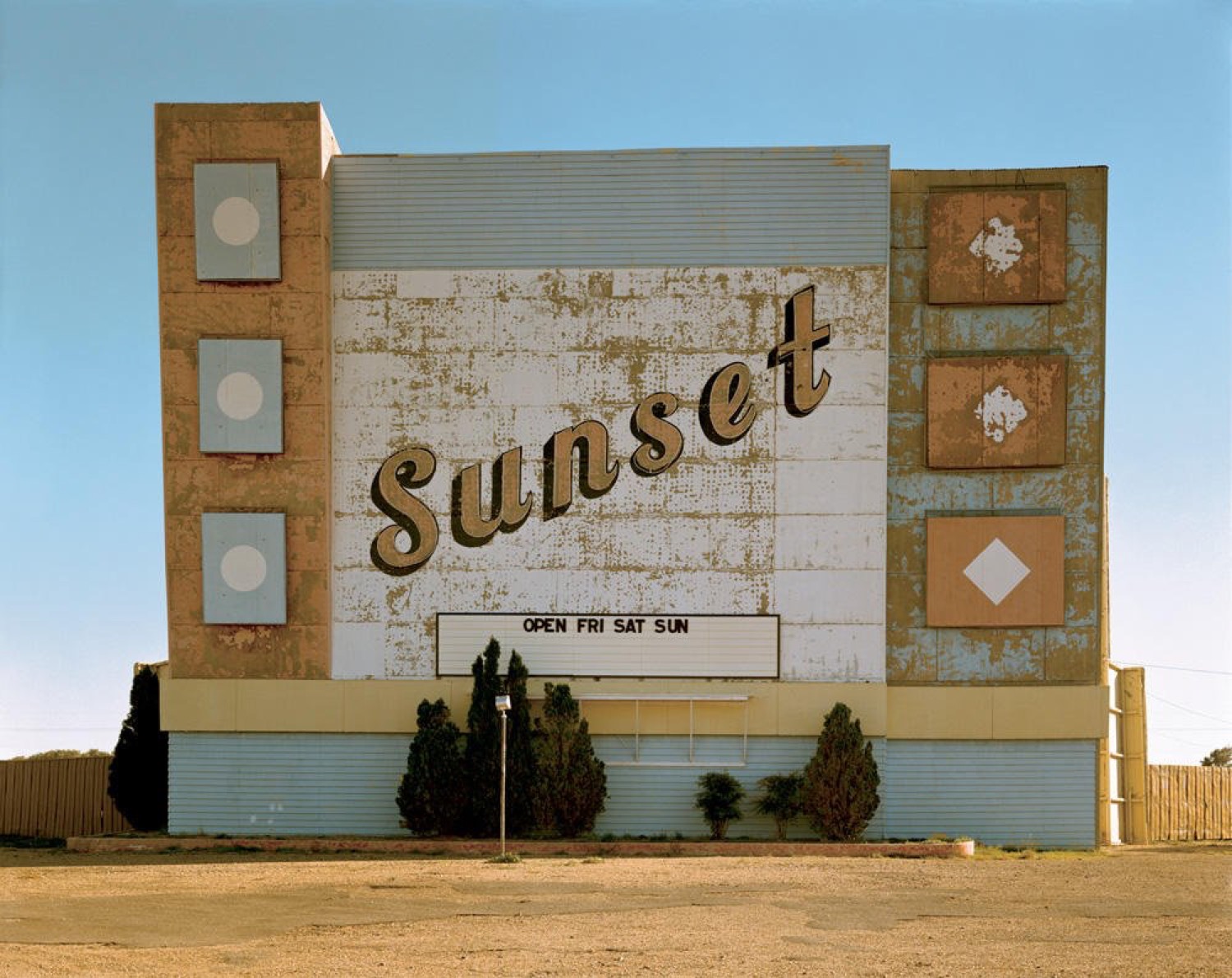
West 9th Avenue, Amarillo, Texas, October 2, 1974. Stephen Shore. The Independent Photographer
In Shore's images, the world is thus ordinary and therefore real. That driveway in Beverly Hills is neither beautiful nor ugly. It is simply what it is - and it is empty. And that is enough. That is why details matter - or often, their obvious absence.
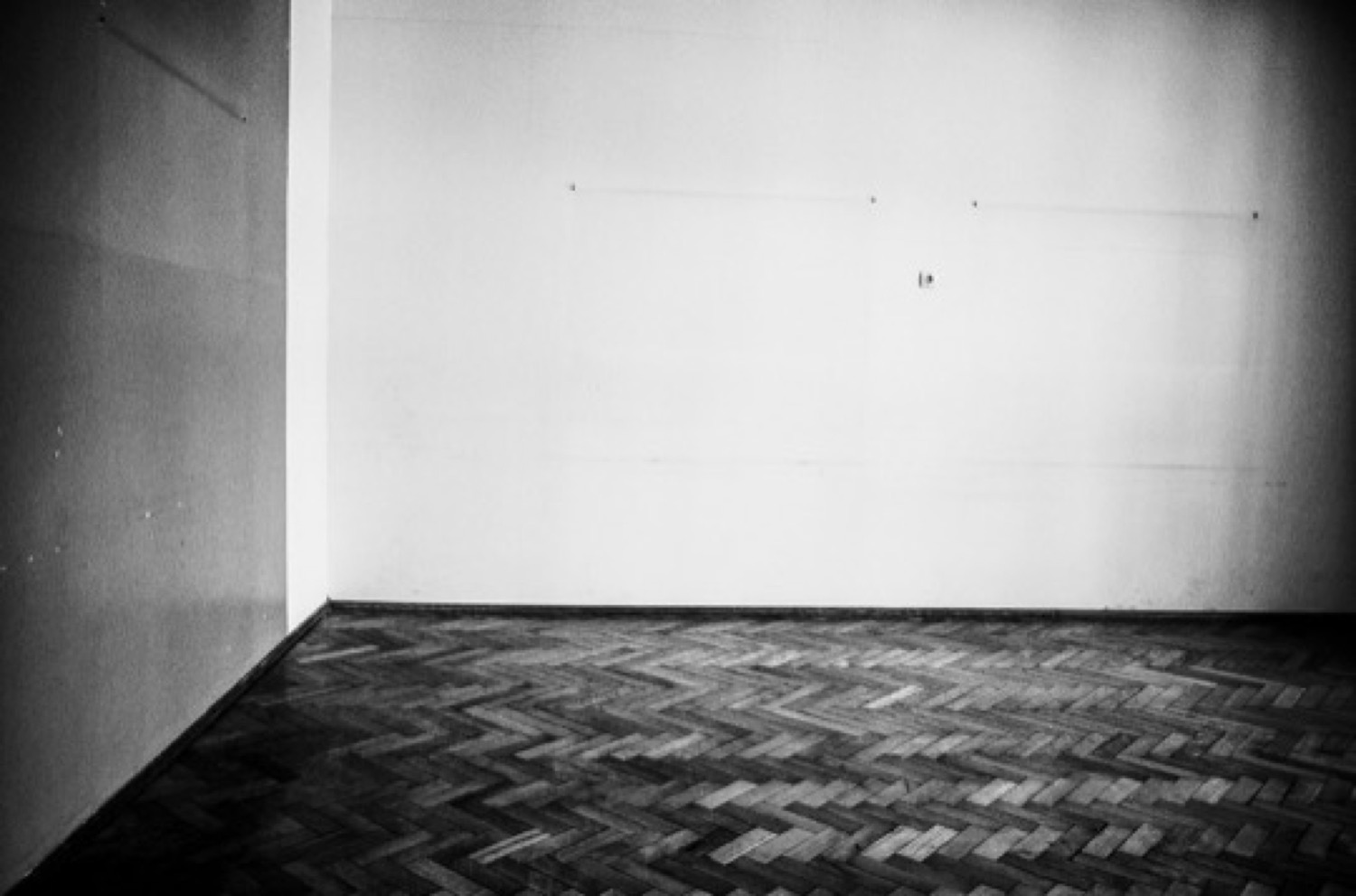
There Used To Be A Classroom Here. Author: Mariusz Nawrocki, CC BY-ND 4.0. Source

Seeing like a garden
In an interview, Shore recalled how, as a teenager, a friend gave him a darkroom kit. He set up a darkroom in the bathroom. He worked at night. He said the developing process was like meditation. This thought is key - like meditation.
Photography born from meditation seeks neither speed nor flashiness. It is more like a walk through a garden - the point is to be present, not to see something.
Perhaps that is why so many of Shore's images feel "unfinished" in a narrative sense. There is no story in them. There is a state. The photographer is not asking "what happened?" but "what is it like to be here?"
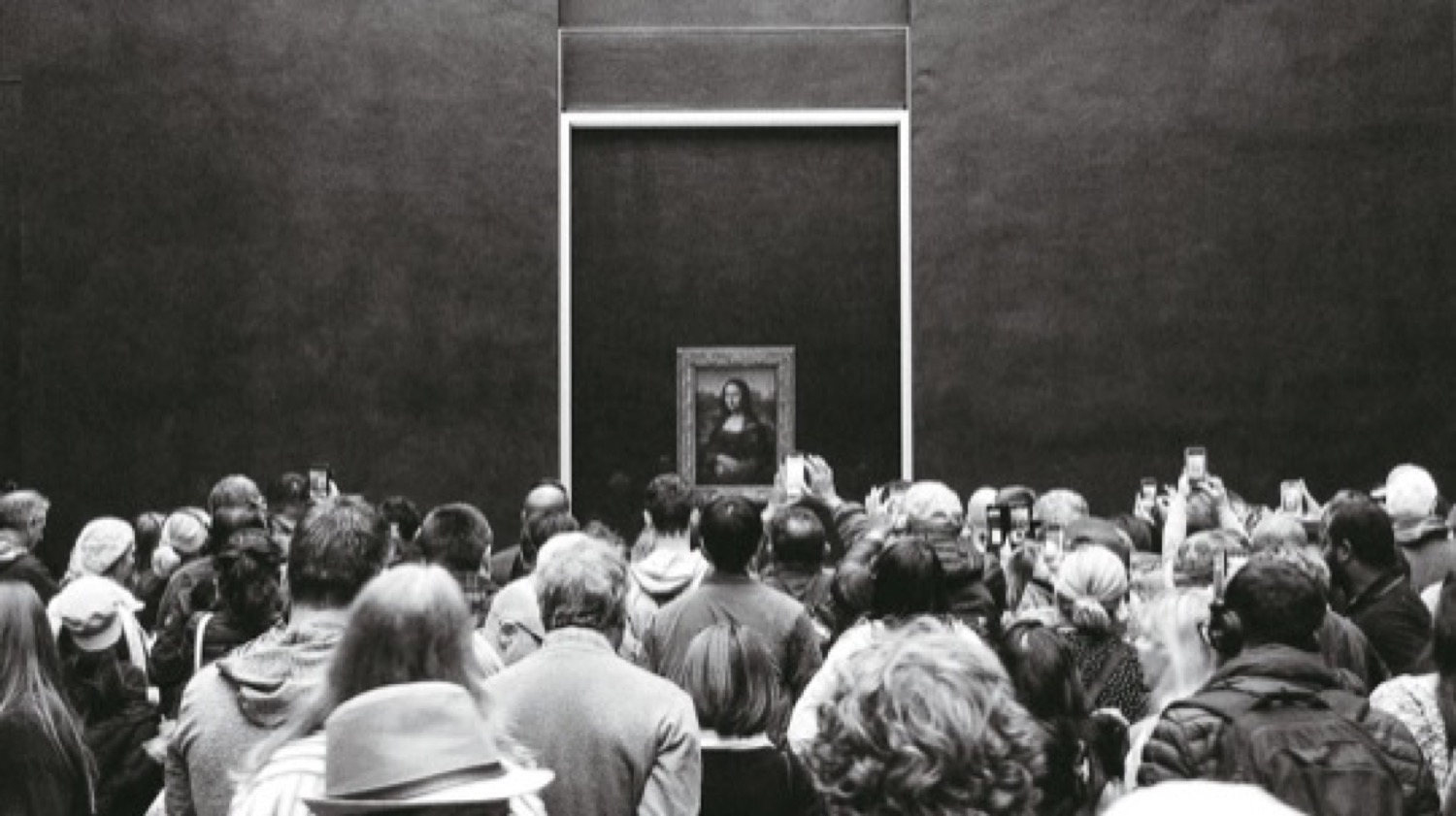
Meditation. Author: Mariusz Nawrocki, CC BY-ND 4.0. Source

Waiting as practice
There is another dimension of silence in photography. A time-based one. Shore sets up his large-format camera in the middle of a street and waits. Waits for people to walk past. Waits for a car to pass. Waits for clouds to move. But sometimes he waits for nothing at all.
This waiting is not a waste of time but a method. It means giving the world a chance to show itself as it is, not as we need it to be. In this sense, Shore's photography is closer to Zen practice than to documentation - it is attentiveness, not record.
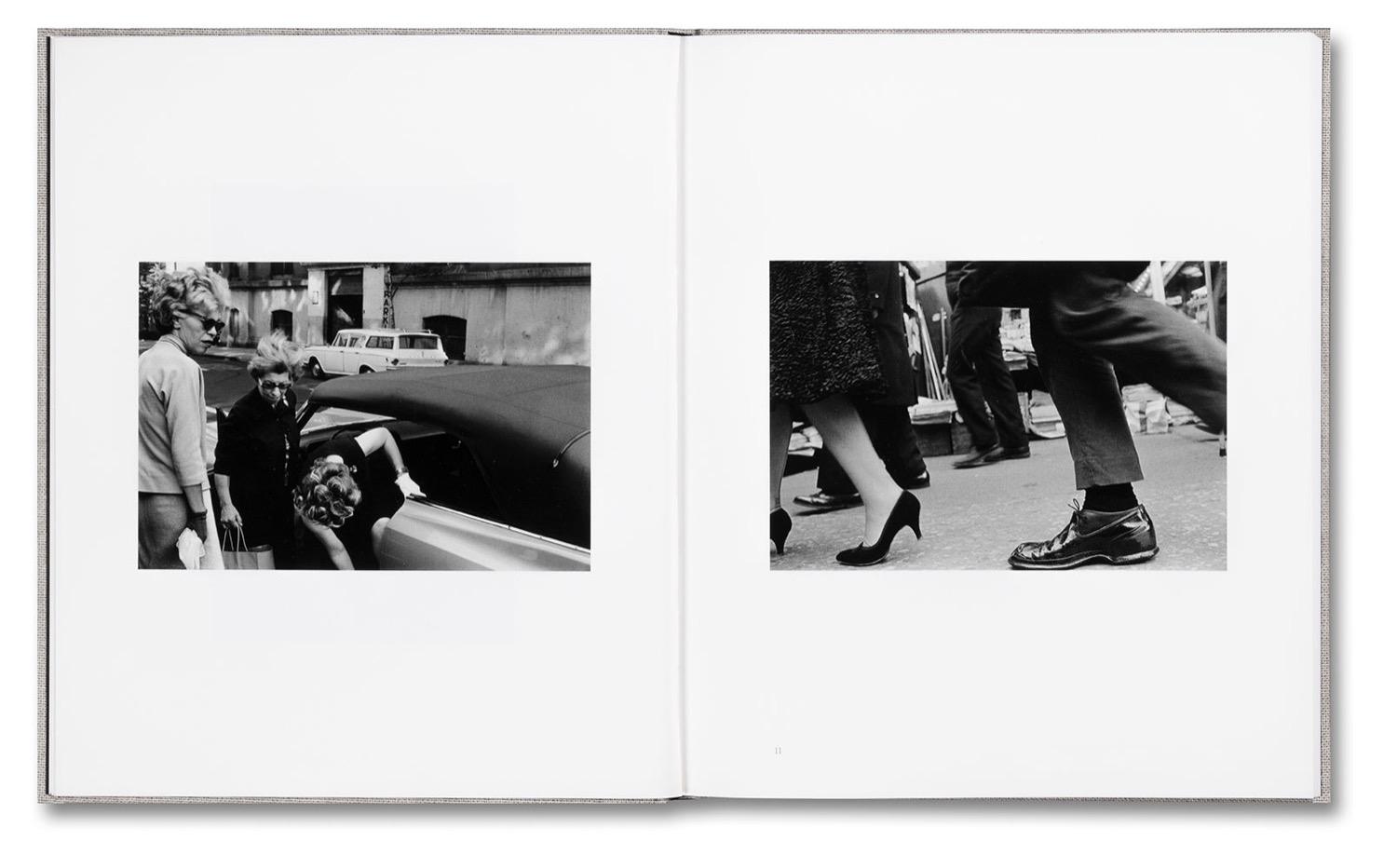
Stephen Shore, Early Work. Promotional material: MACK Books
Does the image hold anything?
So what can we say about Stephen Shore's photographs while avoiding grand words. I prefer to speak of looking rather than of art. Of what patience teaches you, when you wait not because you must capture "the-one-shot", but because you accept the act of waiting itself.
Perhaps the core of silence in photography lies in this acceptance. It is not about the image going mute, but about it not shouting. About giving space. About not saying everything at once.
Shore once photographed a table in a motel room for the American Surfaces series. On the table lies a pen and a notepad. The television is off. A wet towel hangs on a hanger. This sentence could describe hundreds of similar images. And yet this particular one makes one feel silence. Not because nothing is happening. But because everything has already happened. Only the trace remains.
The photography of silence does not freeze a moment so much as hold what is left after it passes.
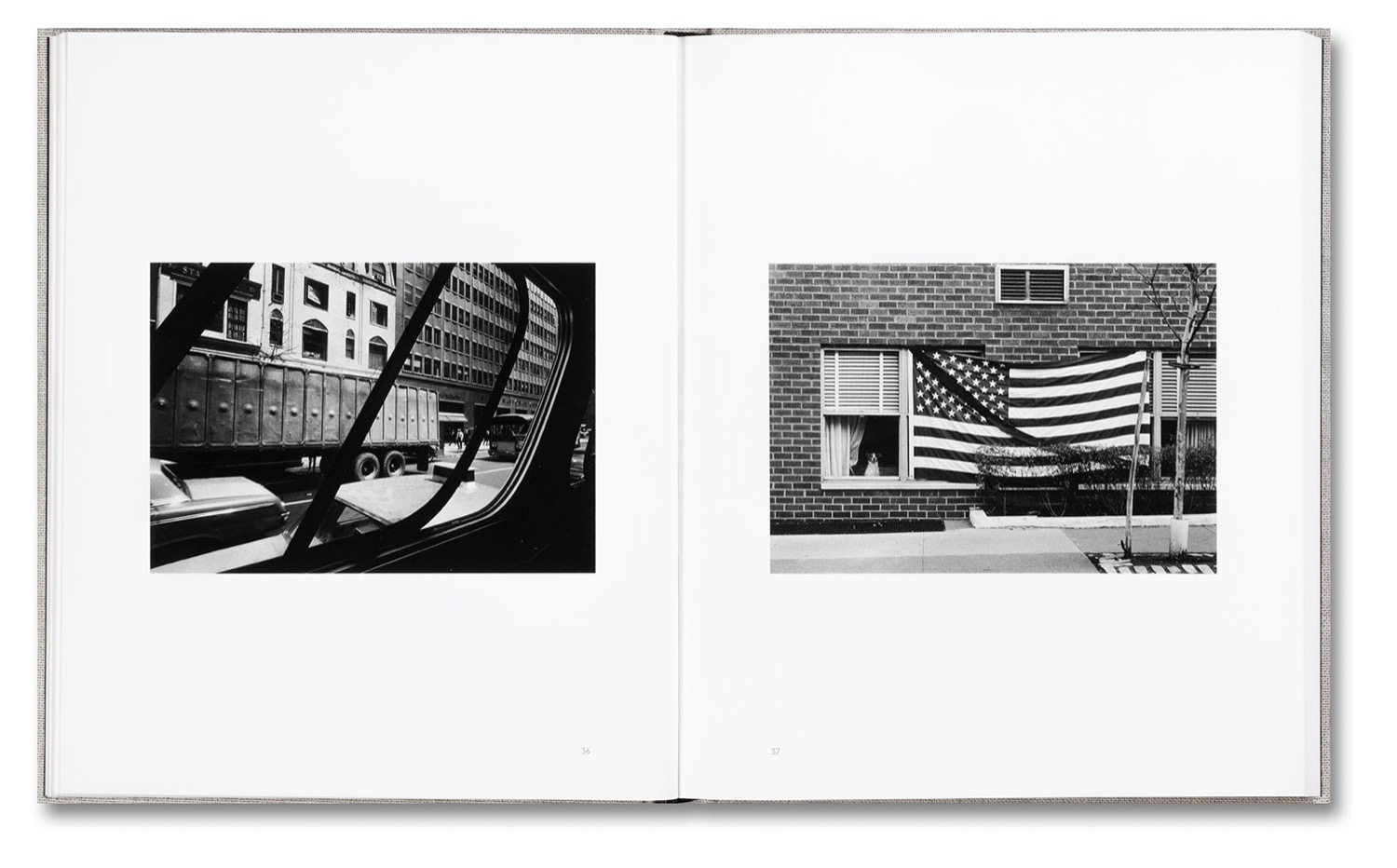
Stephen Shore, Early Work. Promotional material: MACK Books
Silence that does not end with the image
Perhaps the most important thing about the photography of silence is what happens after the picture is taken. An image that does not shout does not demand a reaction. Instead of "look, this is important" it says: "if you want, you can stay."
And in this invitation to remain lies something that contemporary visual culture needs most - an image that allows us to breathe, rather than another demanding attention. That does not want to be clicked, saved, shared. That simply is.
Shore processed his photographs from Uncommon Places in the darkroom. He spent a great deal of time on them. Probably adjusting the balance, burning the edges, trying different papers. I suspect he knew these photographs matter for what they show, but also for what they do not say - for what often seems obvious, and yet remains unspoken.
Further Reading
- Stephen Shore at 303 Gallery
- Stephen Shore - Wikipedia
- Stephen Shore at MACK Books
- Stephen Shore at Aperture
- Uncommon Places - Aperture
- Photography books on Amazon
Co-created by human and AI.