Some links on this site may be affiliate links
Josef Koudelka. Images of Absence.
Landscape after people
In Josef Koudelka's Piedmont series, there are almost no people. There are factories, power lines, crumbling walls, cultivated fields - everything that humans leave behind when they go. Koudelka photographs Piedmont as if documenting a crime scene. Except the crime is simply time.
Josef Koudelka, Piedmont (1999). Own photography for the purpose of this article.
What makes these images unsettling is not the absence of people itself - we have seen countless empty landscapes. What unsettles is the awareness that someone was here. The wall is old, but someone built it. The field is cultivated, but someone ploughed it. The factory is empty, but someone worked in it. Koudelka does not photograph nature. He photographs the trace.
An escape that never ended
In 1968, Josef Koudelka, a Czech aeronautical engineer and amateur photographer, took the photographs that decided his life. The Soviet invasion of Czechoslovakia, tanks in the streets of Prague, people on the barricades. His images were smuggled to the West and published anonymously - signed only with initials to protect the author. Koudelka fled his country. He never permanently returned.
This event is the key to everything he did later. Not because it defined his style - those early photographs are reportorial, chaotic, full of motion. But because it placed him in the position of an outsider. Koudelka lost not only his country but also the possibility of belonging anywhere. From then on, he looked at the world from the outside.
This found its reflection in the Gypsies (1975) project. In my view, it is not social photography. It is not a report on Roma communities. It is an encounter between two worlds that know what it means to be unwelcome. Koudelka, a Czech in the West, photographs Roma in Eastern Europe - a community itself in permanent exodus.
His Gypsies are not exotic. They are not poor in a way that invites pity. They are present - in Koudelka's photographs, no one poses, no one pretends. These are portraits of people who live on the margins but do not see themselves as victims. And this is the project's greatest achievement: Koudelka does not look down. He looks from the side. As someone who also knows.
People never truly disappear
Let us return to Piedmont - in 1999, Koudelka does something surprising: he removes people from the frame. After years of photographing bodies, faces, communities - suddenly only landscapes remain. These are not ordinary landscapes but landscapes after passage. Factories that no longer produce. Houses someone left. Fields that still remember the plough.
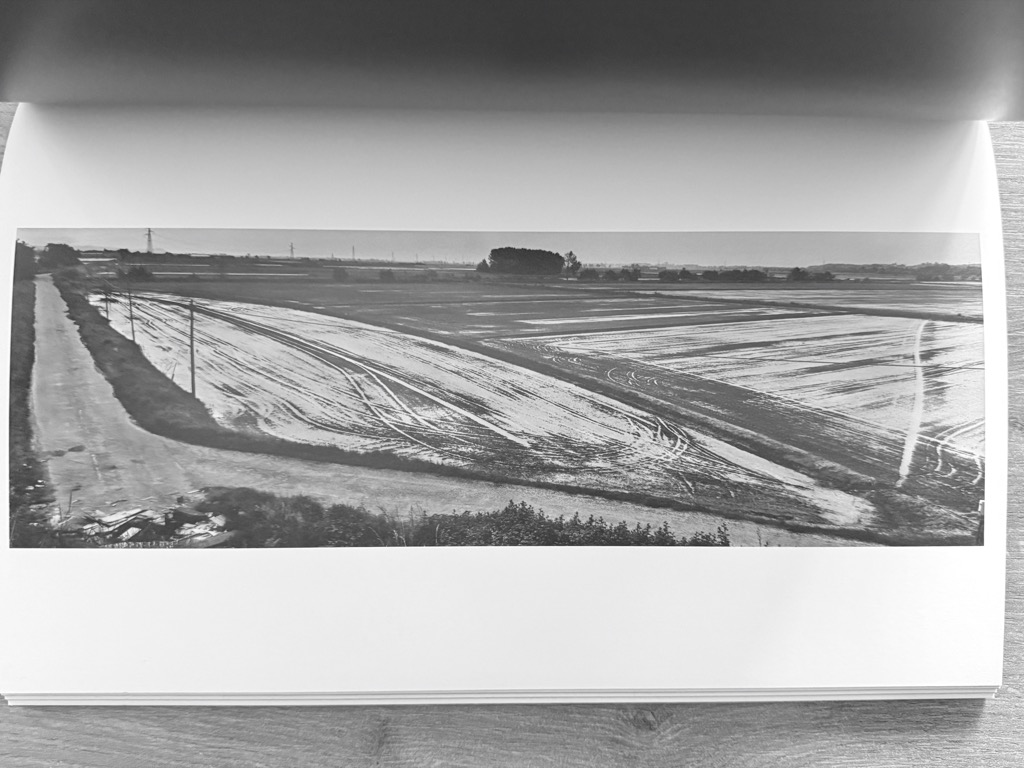
Josef Koudelka, Piedmont (1999). Own photography for the purpose of this article.
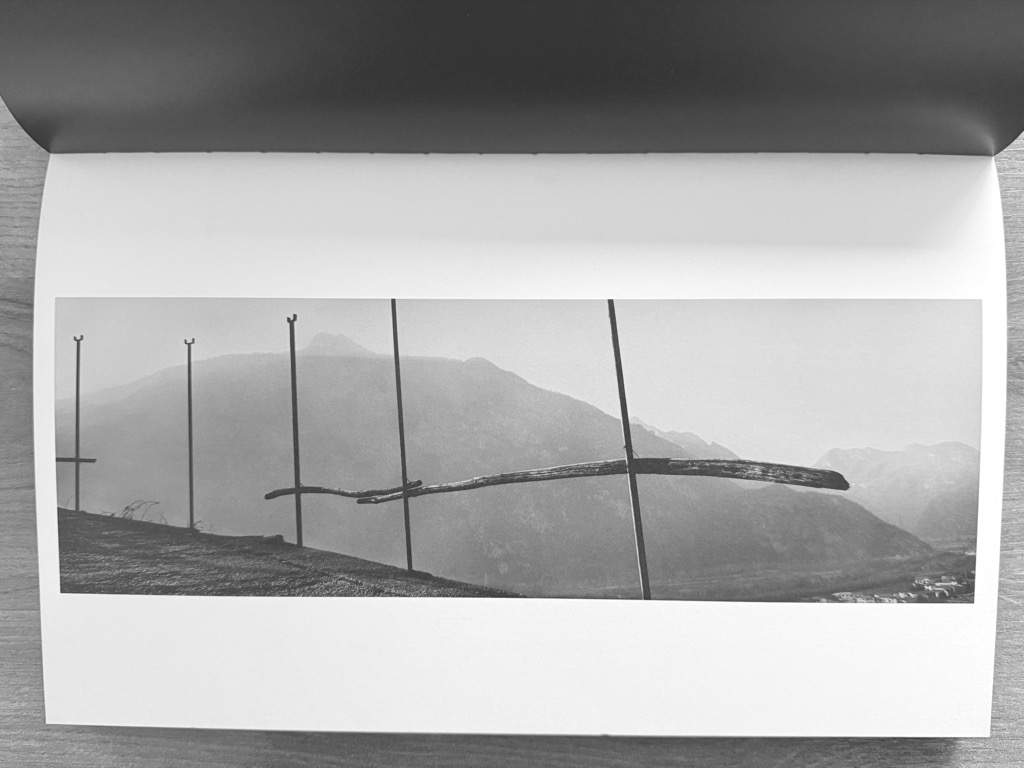
Josef Koudelka, Piedmont (1999). Own photography for the purpose of this article.
I see this as a kind of return. Not to the Czech Republic, not home, but to the act of looking itself. Koudelka no longer needs to document the exile of others because he has learned to photograph what remains. Remnants. Outlines. Traces.
There is something deeply sad about this, but also strangely peaceful. Koudelka does not dwell on the past. He simply notes and moves on - in constant mental and physical motion.
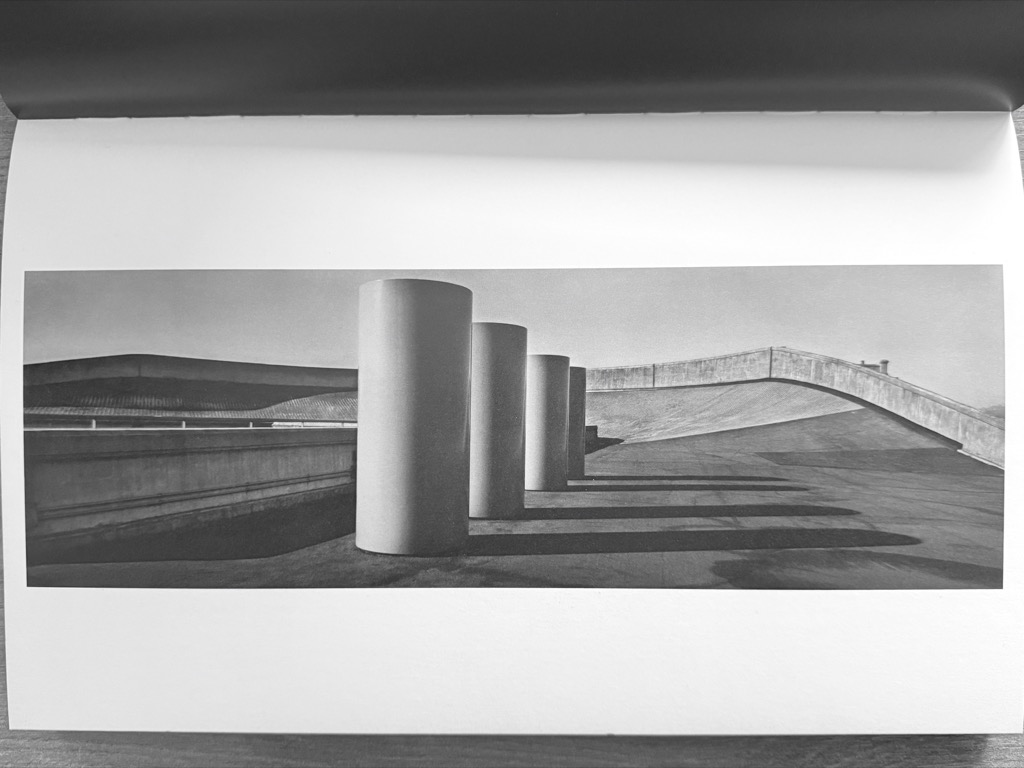
Josef Koudelka, Piedmont (1999). Own photography for the purpose of this article.
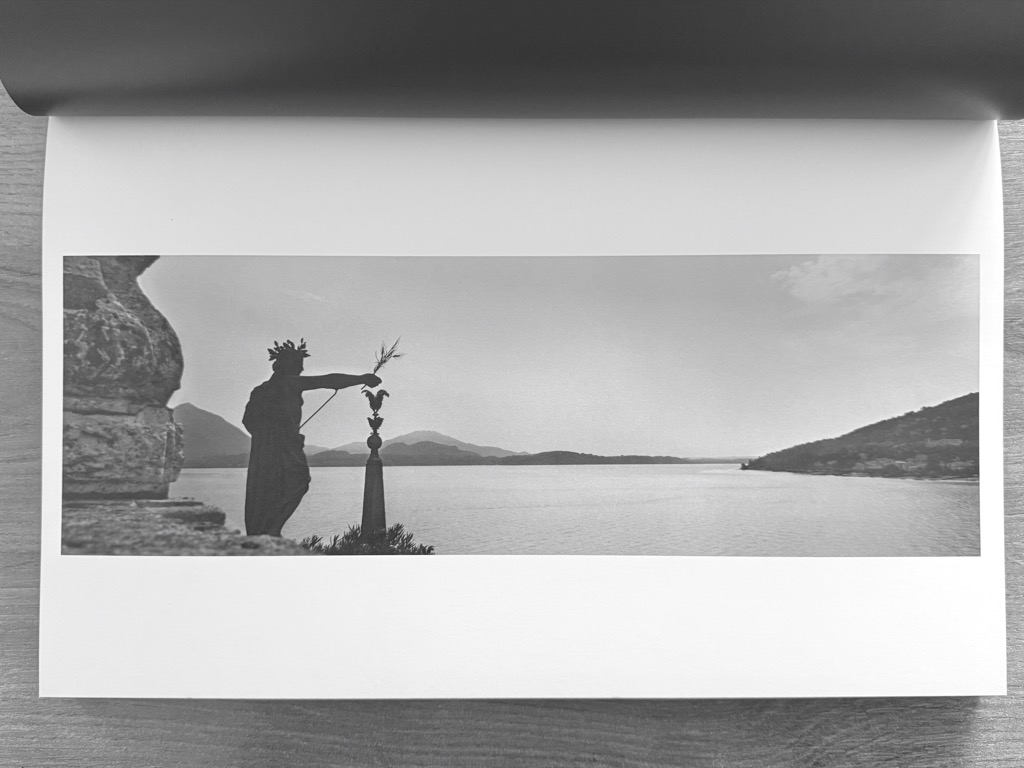
Josef Koudelka, Piedmont (1999). Own photography for the purpose of this article.
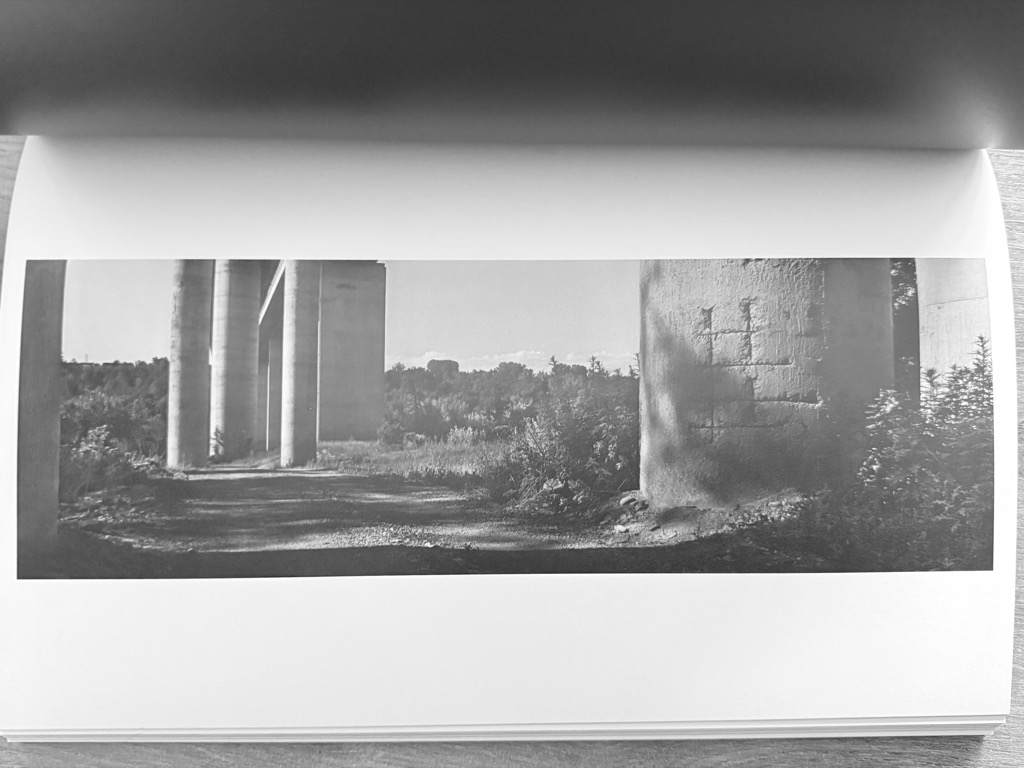
Josef Koudelka, Piedmont (1999). Own photography for the purpose of this article.
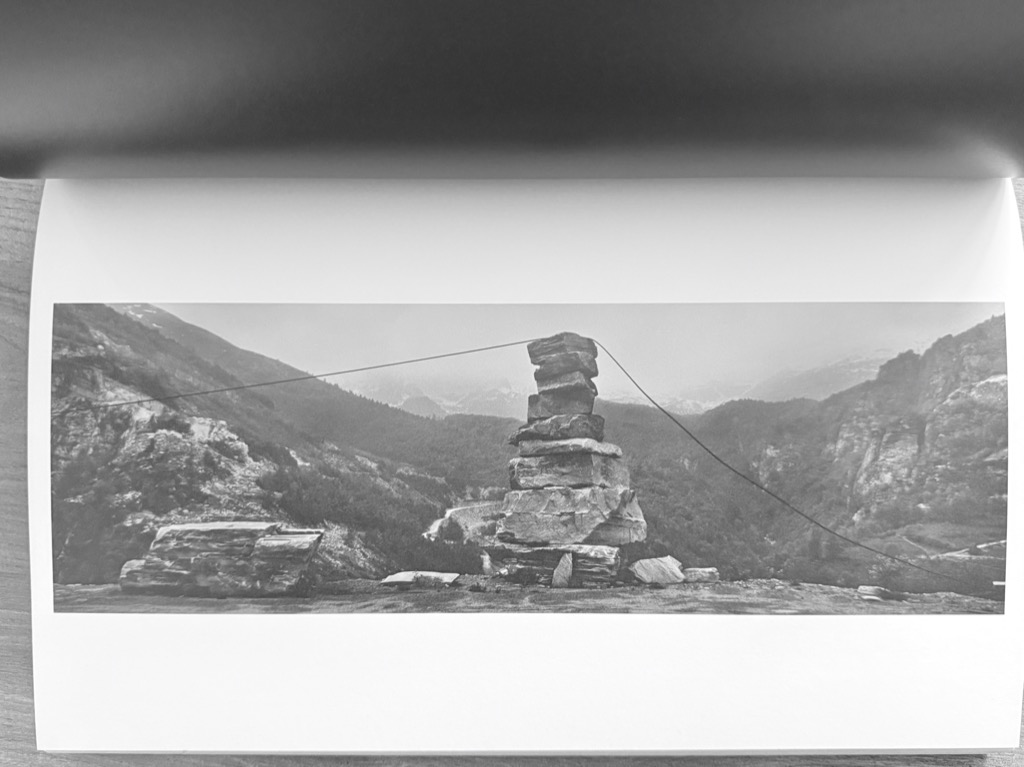
Josef Koudelka, Piedmont (1999). Own photography for the purpose of this article.
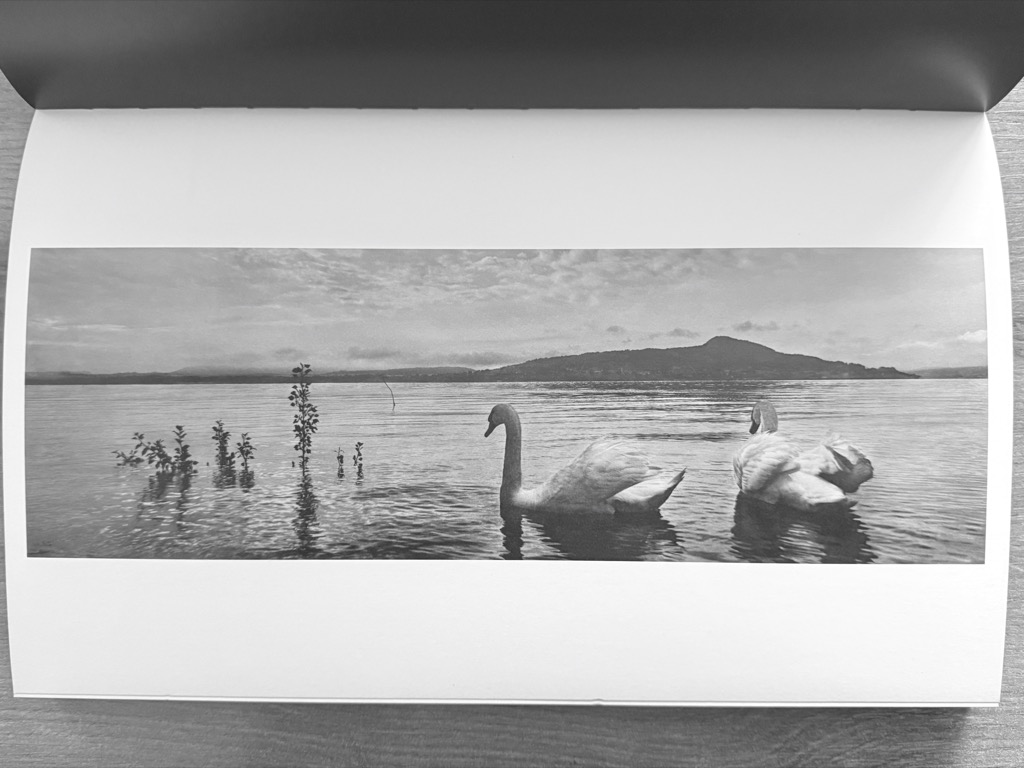
Josef Koudelka, Gypsies (1975). Own photography for the purpose of this article.
Josef Koudelka, Piedmont (1999). Own photography for the purpose of this article.
Can photography become home?
Koudelka is now in his eighties. He still photographs. He still travels. His body is in Paris, but his images are everywhere - the Czech Republic, Romania, Slovakia, Italy, Israel. I wonder whether, after all these decades of taking pictures, of being outside, of looking from the side, photography has become for him what a country once was. A place you can always return to.
Perhaps, then, there is no better definition of photography than this: a way of being in the world when you have no other home.
Further reading
More on Josef Koudelka's work: photography books on Amazon.
Co-created by human and AI.