Some links on this site may be affiliate links.
The Aesthetics of Error
In 2019, a certain creator deleted his valuable archive of photographs. Intentionally, brutally. Then he ran a data recovery algorithm.
What the algorithm returned was not what had been deleted. Fragments of a digital negative from different months merged into a single file. Color layers shifted. Composition, once intentional, became random. The resulting images were flawed.
The project acquired a name reflecting the state its author sought - Sweet State of Losing Control. Before the glitch aesthetic took over the internet, before film filters became the default setting on every smartphone, this creator conducted an experiment that asked an uncomfortable question: can error be a value?
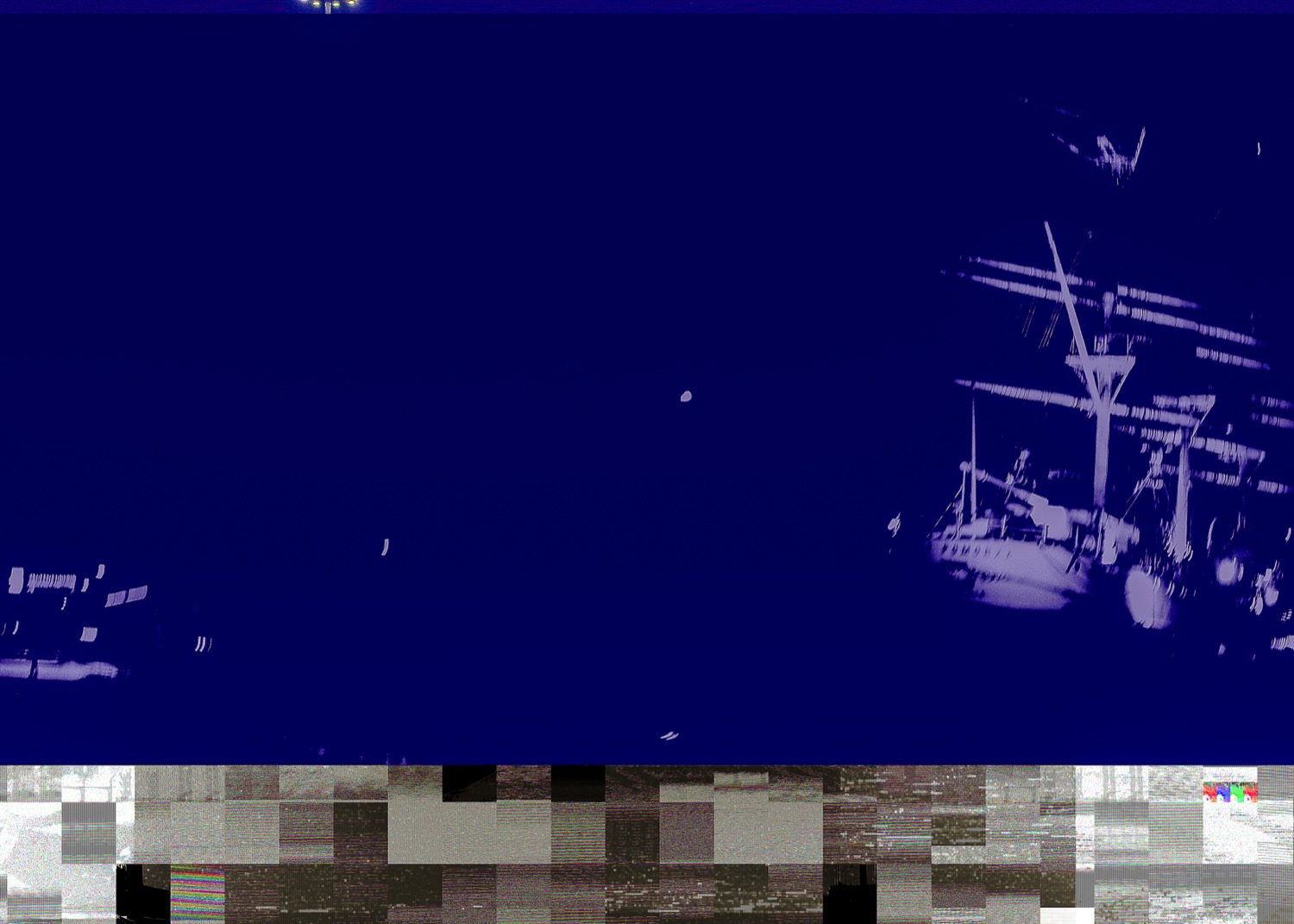
Sweet State of Losing Control #6. Author: Mariusz Nawrocki, CC BY-ND 4.0. Source
The paradox of perfection
The year is 2026. We pay for apps that do to our photographs what once ruined them. Film grain. Color shift. VHS tracking. Lens flare. Dust. Scratches. Overexposure. Underexposure. Every one of these was once a defect. Photographers spent hours avoiding them. Today we install presets that add them automatically. The more technically perfect our images become, the more we long for imperfection.
Why?
The answer is more complex than it seems. This is not simple nostalgia for analog. It is a signal that technical perfection has reached a point where it begins to chafe.
Three kinds of error
In the history of photography, we can distinguish three kinds of error.
Accidental - film exposed by mistake, the darkroom door cracked open, double exposure. Errors that happened despite the photographer's will. Sometimes they produced extraordinary results, but no one sought them out.
Deliberate - the photographer intentionally introduces interference. Uses damaged equipment, overdevelops the film, manipulates the scanner. Knows what they are doing. Experiments with the boundaries of the medium.
Algorithmic - error that occurs beyond human control. This is the type realized by the Sweet State of Losing Control project. The data recovery algorithm, operating according to its own logic, merged fragments of information in a way the human could not have predicted. The error was not designed. It happened.
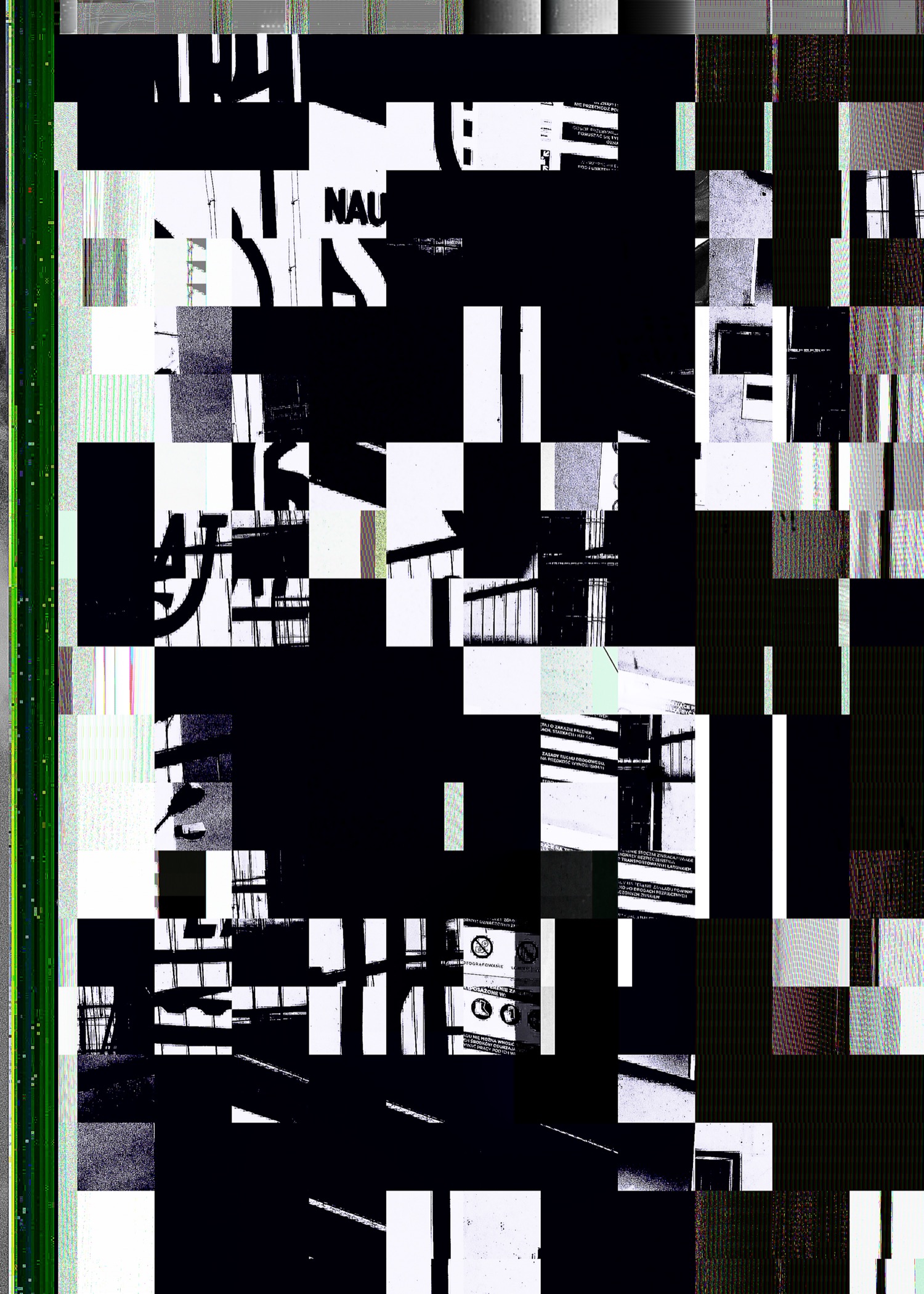
Sweet State of Losing Control #8. Author: Mariusz Nawrocki, CC BY-ND 4.0. Source
This distinction matters. In the AI era, all three types of error blend in ways that are hard to untangle. When an image generator produces something unexpected - is it an accidental error or an algorithmic one? When a prompt contains "glitch aesthetic" - is the error deliberate?
Before and after AI
This project was created using technology but before the AI era. This matters not because "it was better then," but because the mechanism of error was different. The human initiated the process but did not control the outcome. The data recovery algorithm operated blindly. It was not trained on millions of images. It did not know what "beautiful" means.
Today's AI tools are designed to generate what we want. If we want an error, AI will give us an error - but it will be a learned error, remembered from thousands of examples of "aesthetic glitch." It is not an accident. It is another pattern.
And here lies the paradox: can a glitch generated by AI be a glitch at all? Is an error that was programmed still an error?
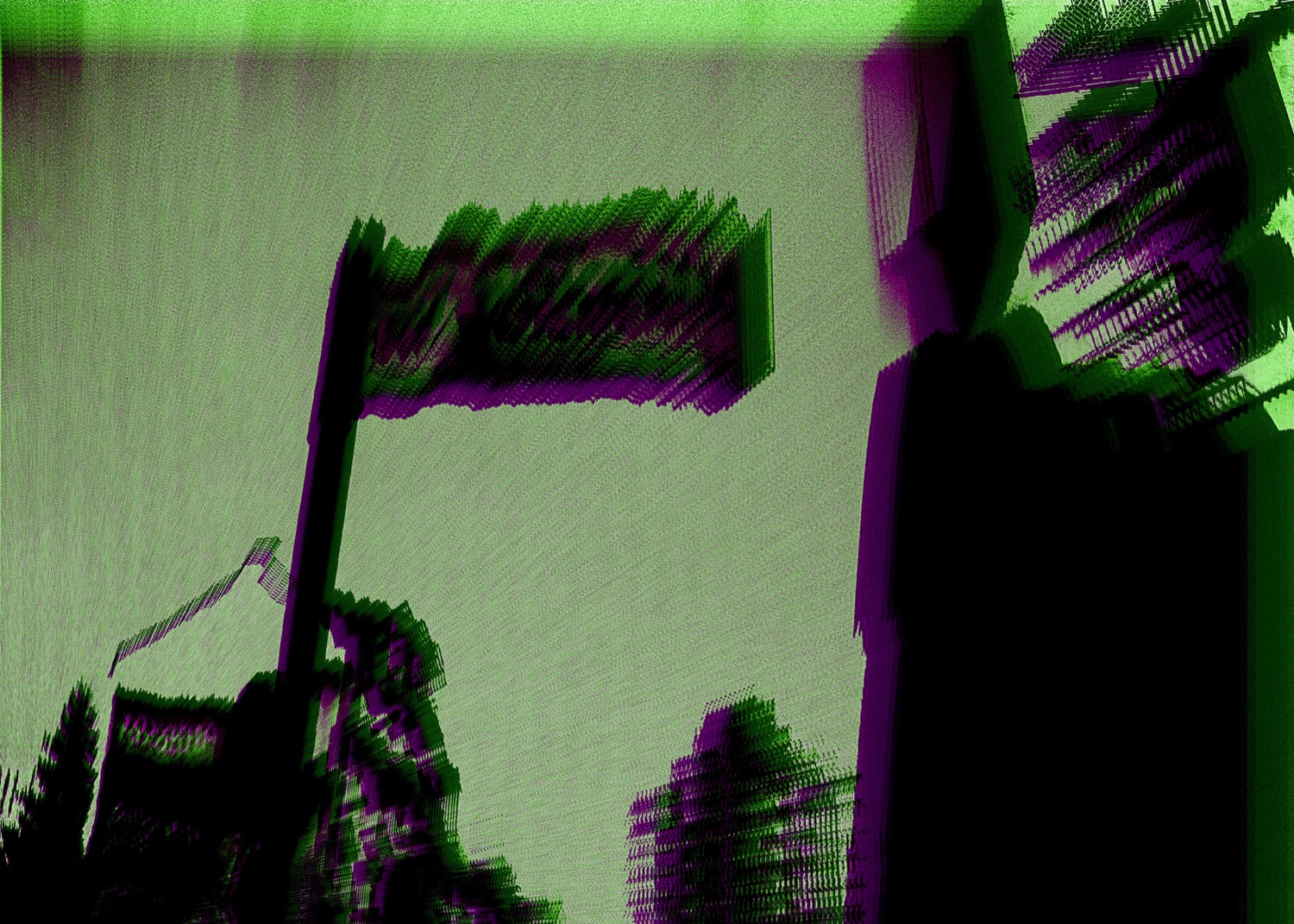
Sweet State of Losing Control #17. Author: Mariusz Nawrocki, CC BY-ND 4.0. Source
Digital existence
Each recovered image - as the author writes - "became the only preserved representation of the originals, which irreversibly changed their digital state, giving rise to a completely new, bit-based existence." This is not just a metaphor. It is a literal description of what happens to an image in the digital age. Every conversion, compression, re-save creates a new version that is simultaneously a copy and an original. In the digital world, there is no negative. There is no master. There is only the last save.
When an AI algorithm generates an image from a prompt, it also creates "the only preserved representation." That image has no original. It has no earlier version that was damaged. It was born from noise and will dissolve back into noise when you close the browser window.
Sweet State of Losing Control speaks about this in a way AI cannot replicate. Not because the technology is inferior. But because the project carries the trace of a human decision: I formatted the disk. Deliberately. Knowing I would not get everything back.
Perfection that hurts
In 2026, the greatest luxury in photography is not a 100MP sensor or an f/0.95 lens. It is imperfection.
The more perfect our tools become, the more we crave images that look like they were not carefully designed. This is not irony. It is a defense mechanism against a world where every pixel is controlled.
The need for control and the need to lose it can coexist. Formatting the disk was an act of total control. What emerged was an act of total loss of it. Somewhere between these two poles is born an image that is neither entirely intended nor entirely accidental.
Perhaps it is in this suspension between control and chaos that the answer to why we destroy our own photographs lies. Not to destroy them. But to see what appears in their place.
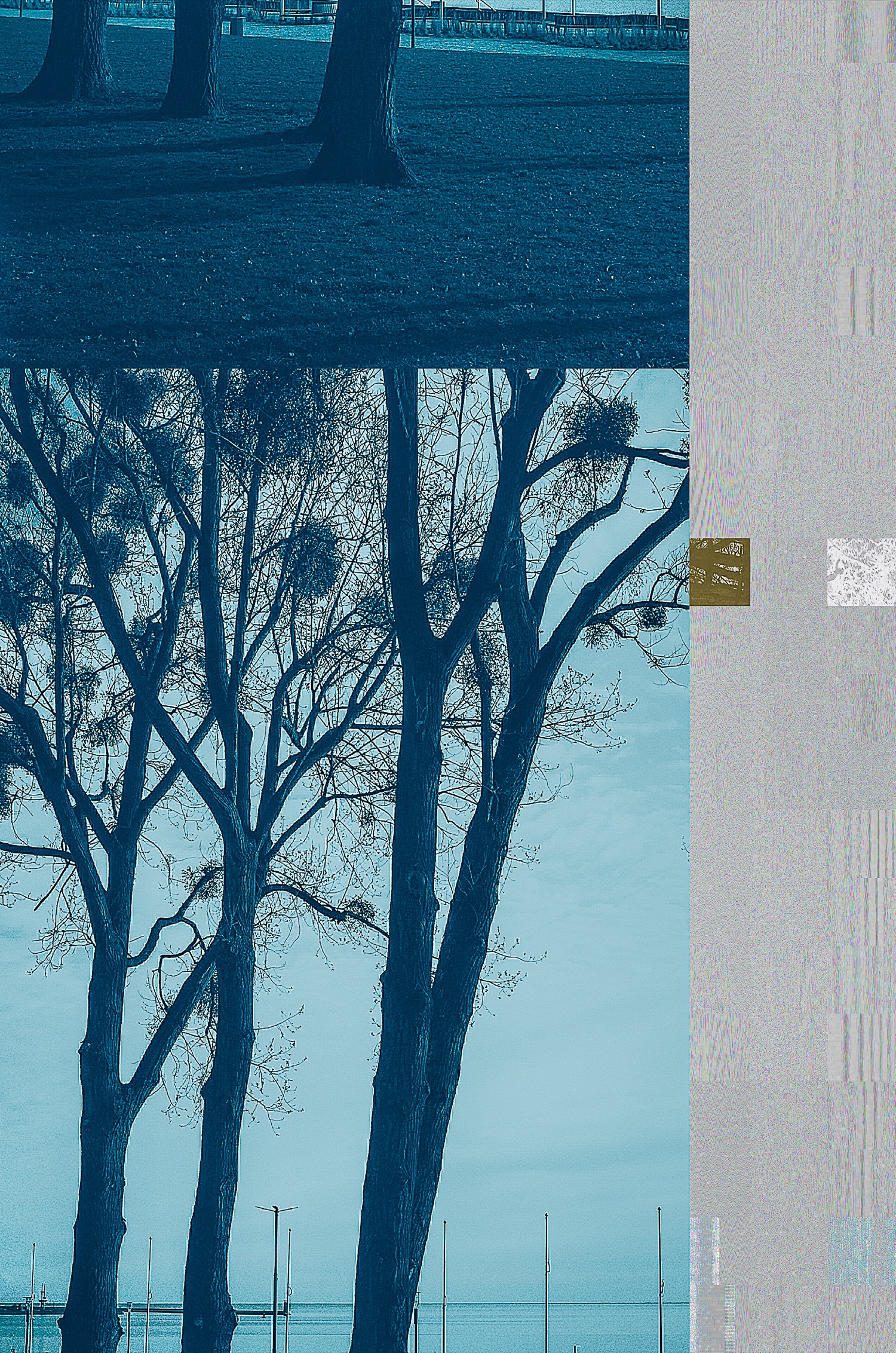
Sweet State of Losing Control #15. Author: Mariusz Nawrocki, CC BY-ND 4.0. Source
Further reading
- Wikipedia: Photo manipulation - history of manipulation techniques
- Wikipedia: Glitch art
- Michael Shermer: The Believing Brain - why we believe what we see
- Sweet State of Losing Control - project
Co-created by human and AI.